Electric fence wire
A wire heated by a 12 V supply. It broke every 2 or 3 bottles, and turning by hand left the cut crooked.
A machine built from electronic waste that cuts glass bottles and turns them into glasses, lamps, candle holders and other pieces. Born in Presidente Figueiredo, Amazonas, it has already cut more than 30,000 bottles.
Chat on WhatsAppArrange delivery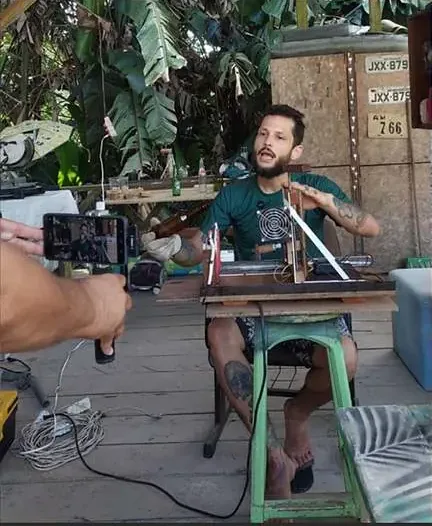 Dom and the Ceifadora
The Ceifadora (the "Reaper") spins the bottle and heats it along a precise line until the glass separates. It is simple to build and was designed to be taught and replicated in schools and communities. All of it comes from scrap:
Double circularity. Donated electronics are dismantled by EletroArt, another Casa Verde project. Useful parts become machines, the surplus goes to specialized recycling, and the finished machine turns bottles into products.
Each prototype solved a problem from the previous one. Records of bottles cut began with prototype 3.
A wire heated by a 12 V supply. It broke every 2 or 3 bottles, and turning by hand left the cut crooked.
We tested a commercial wooden model with firebrick. It came with 3 to 4 spare heating elements: a sign it couldn't take many cuts.
The turntable motor began spinning the bottle in place of the hand. The heating element was still weak.
400 bottlesThe rigid sandwich-maker element, bent from a C to a V, held the bottle without slipping. It was the first big leap in precision.
965 bottlesRails, guides, wheels and the lift that holds the bottle's mouth. Base tests with brick, cement and firebrick.
10,327 bottlesFinish for commercial use. This is where the ideas for the workshops and the patent came from.
8,358 bottlesIron sides instead of wood, which swelled and jammed the lift. Improved cables, circuit breaker and full paint job.
~10,000 validation cutsSwipe sideways to see all the versions →
Bottles and jars donated by the community.
Each bottle is washed before cutting.
On the Ceifadora, at up to three heights.
Edges are sanded and polished.
Pieces go to resellers and custom orders.
Glasses, planters for cacti and succulents, oil-lamp shades.
Ashtrays and small containers.
Candle holders and decorative pieces.
That is what glass cullet is worth in the recycling market.
That is 2,200 to 5,000 bottles, at at least R$ 2 per piece sold to resellers. Gross value, before costs.
Those who donate bottles and glass jars earn points, which can be exchanged for Casa Verde products.
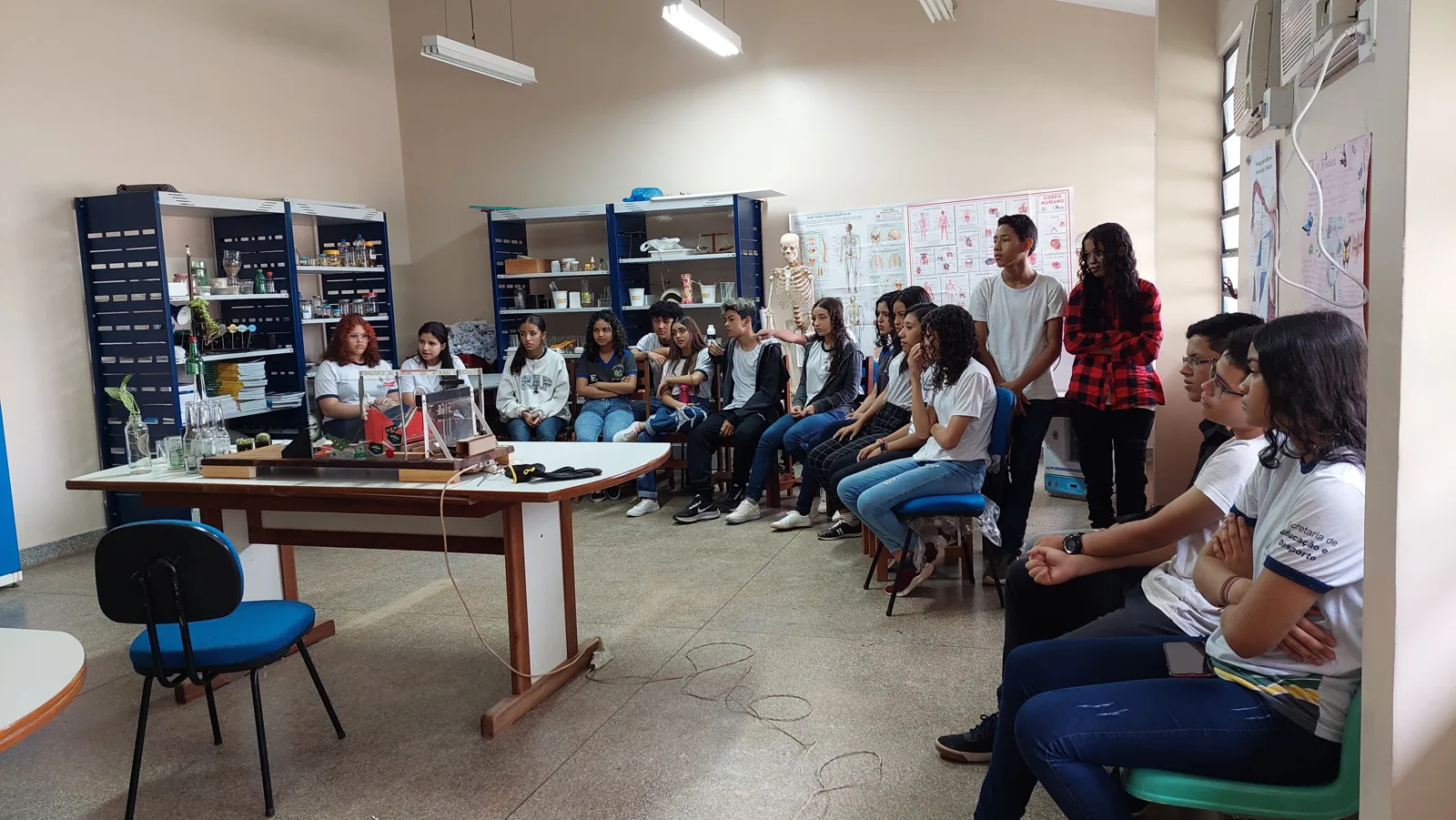
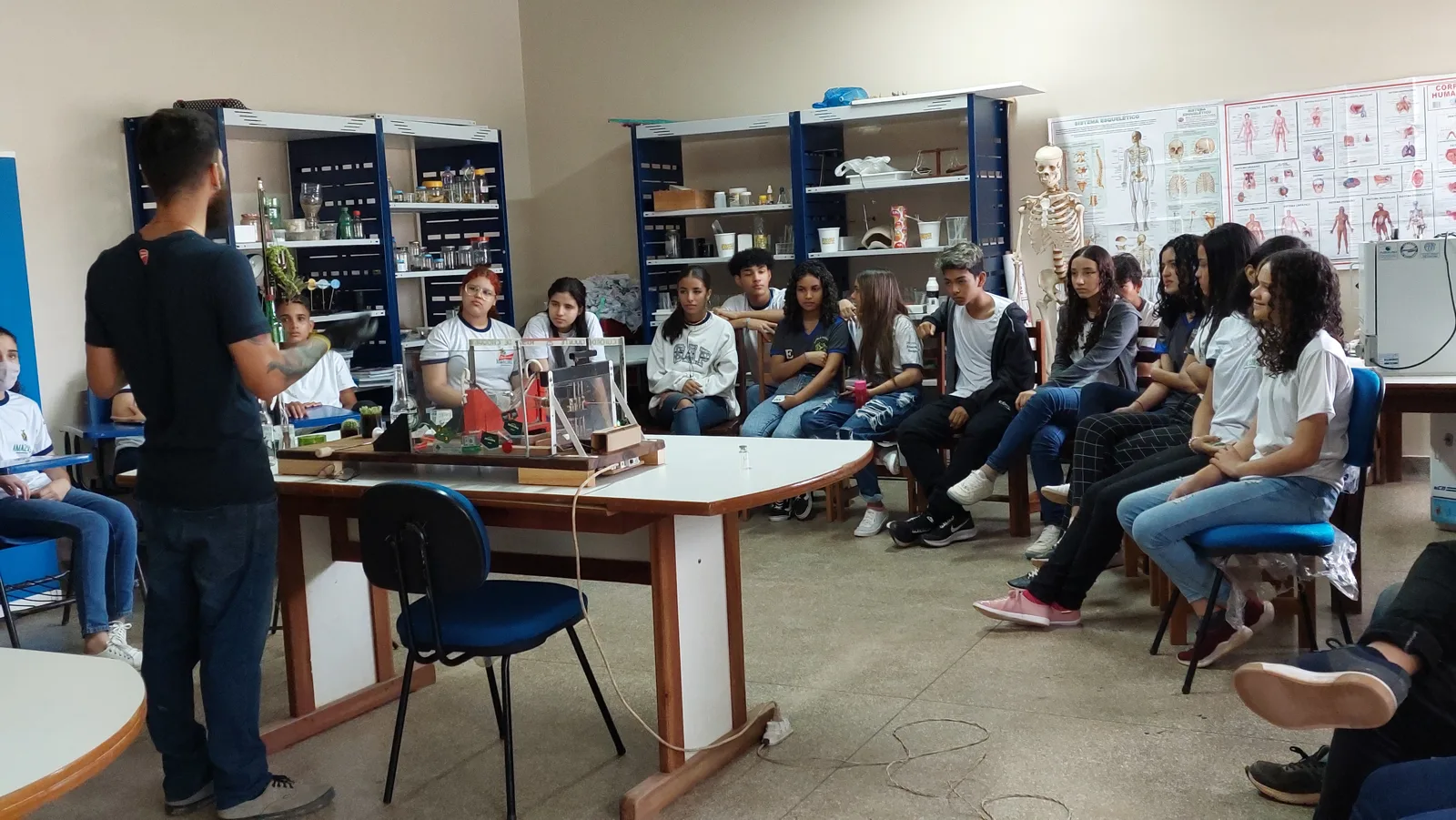
We have already taken the machine to talks in schools and communities, one with 62 people. The next step is assembly workshops: a class of 15 students builds two Ceifadoras from electronic waste, and the machines stay at the school.
Open electronics and separate the useful parts.
Build the two machines in groups, with electrical safety.
Prepare the bottles and make the first cuts.
Work out costs, pricing and how to resell the pieces.

Among 350 entries in ABDI's National Innovation Challenge, Vidros da Amazônia was one of Brazil's 40 finalists and ranked first in the Circular Economy category. We took the project to the final on October 11 at Arena BRB. We didn't win the prize, but presenting the Ceifadora on a national stage became learning for the next ones.
Photo: Curicaca Team / ABDI
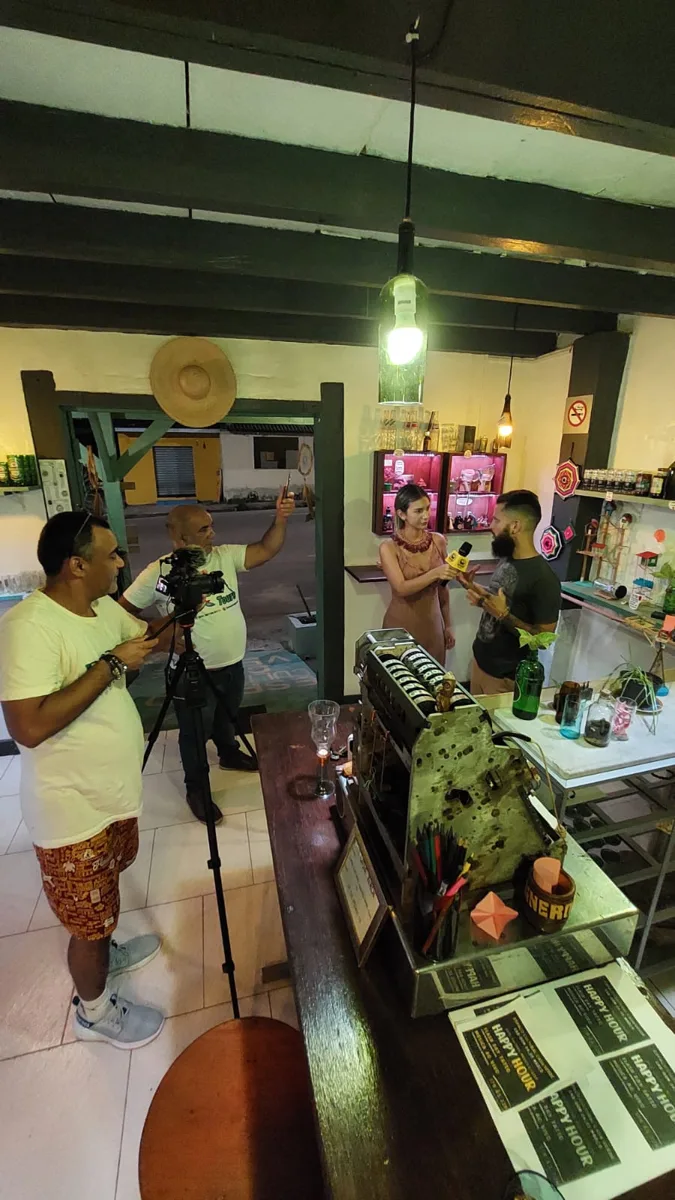
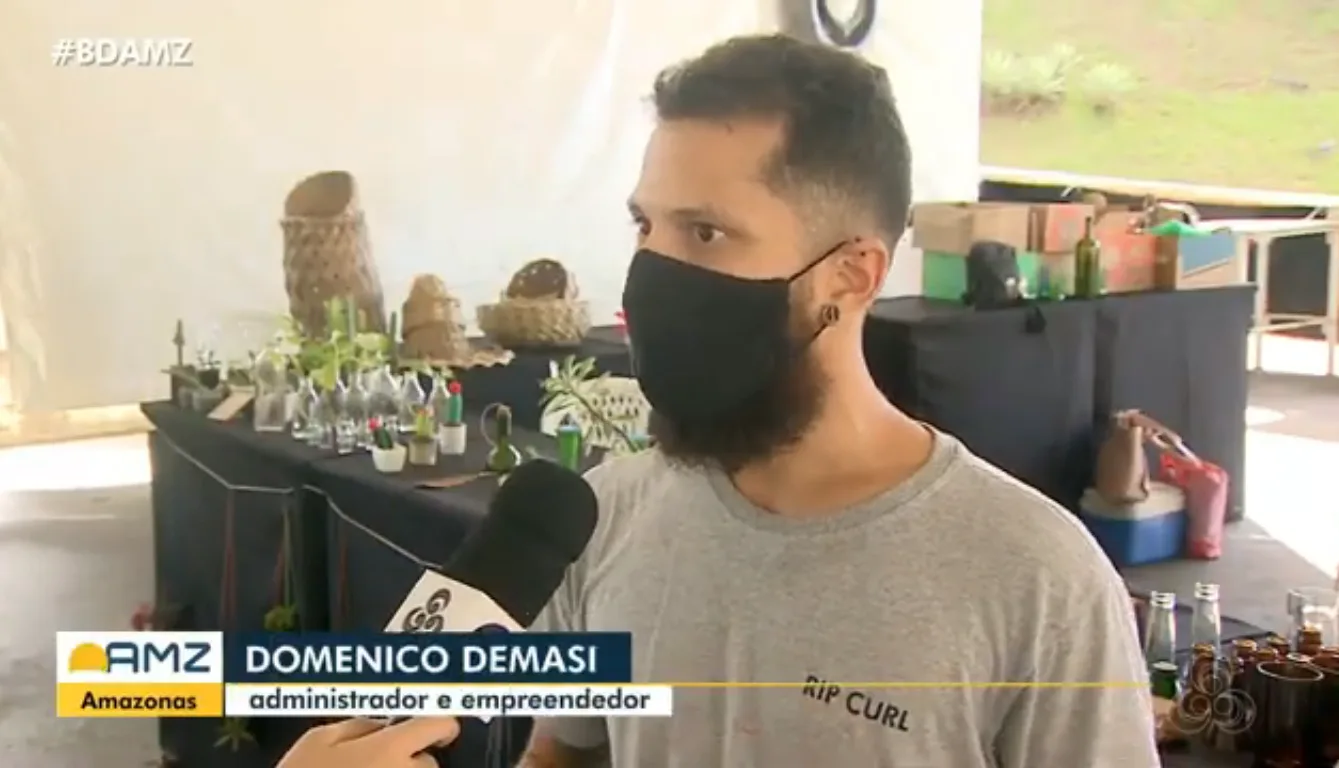
Reporter Francisco Carioca came to see the space and present Vidros da Amazônia on JAM1. Watch the report here or on our YouTube channel.
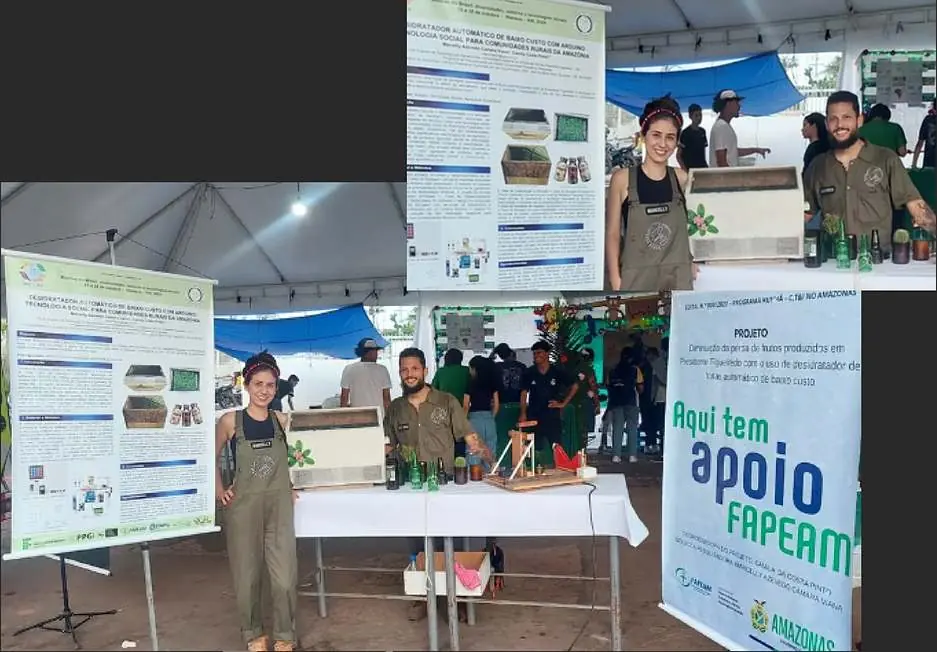
We exhibited two social technologies at the 21st edition in Presidente Figueiredo: the solar dehydrator and the Vidros da Amazônia machine.
The fair's first edition featured the project's products and the cutting machine, in a participation supported by the Aldir Blanc Law.
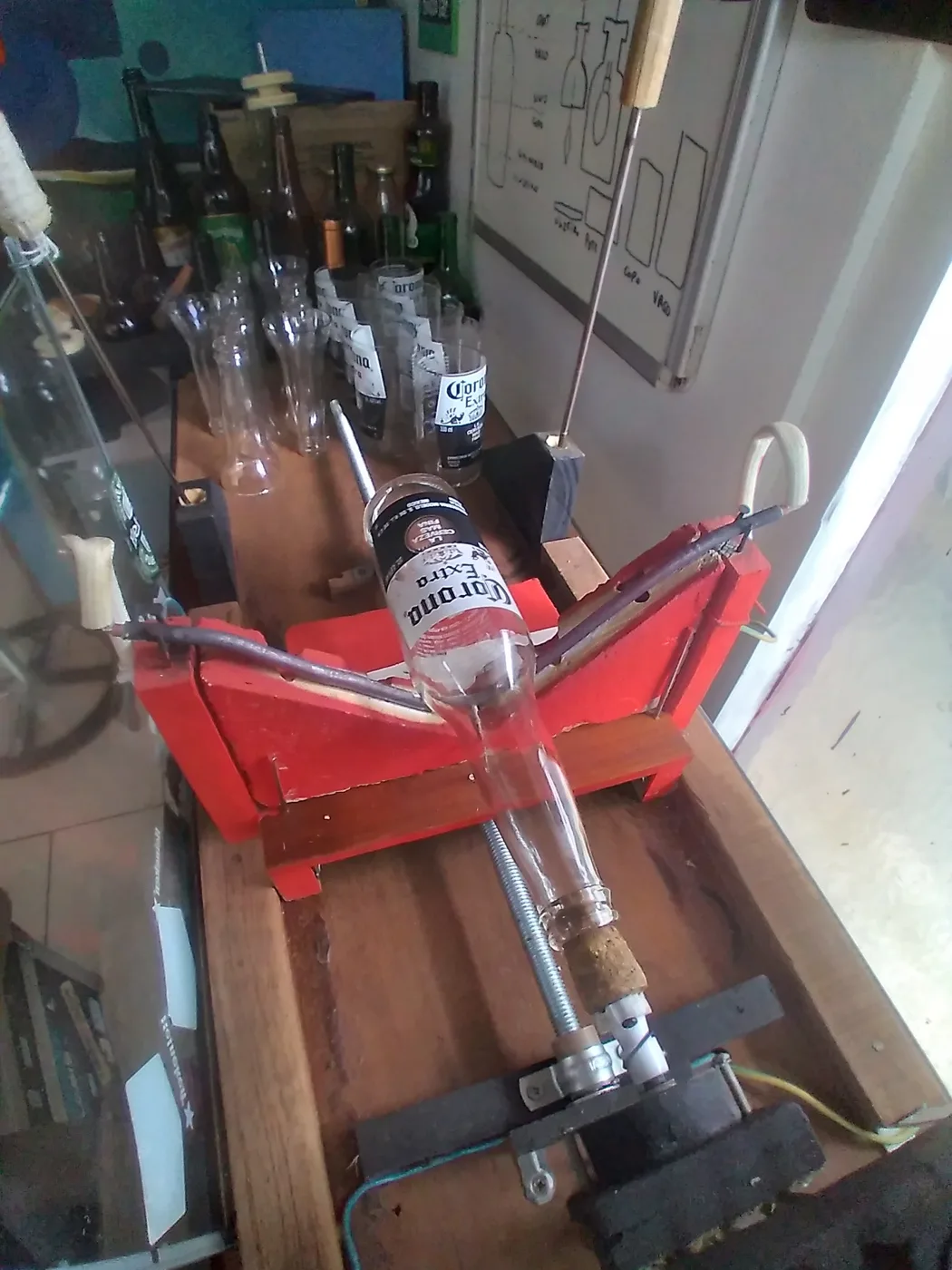
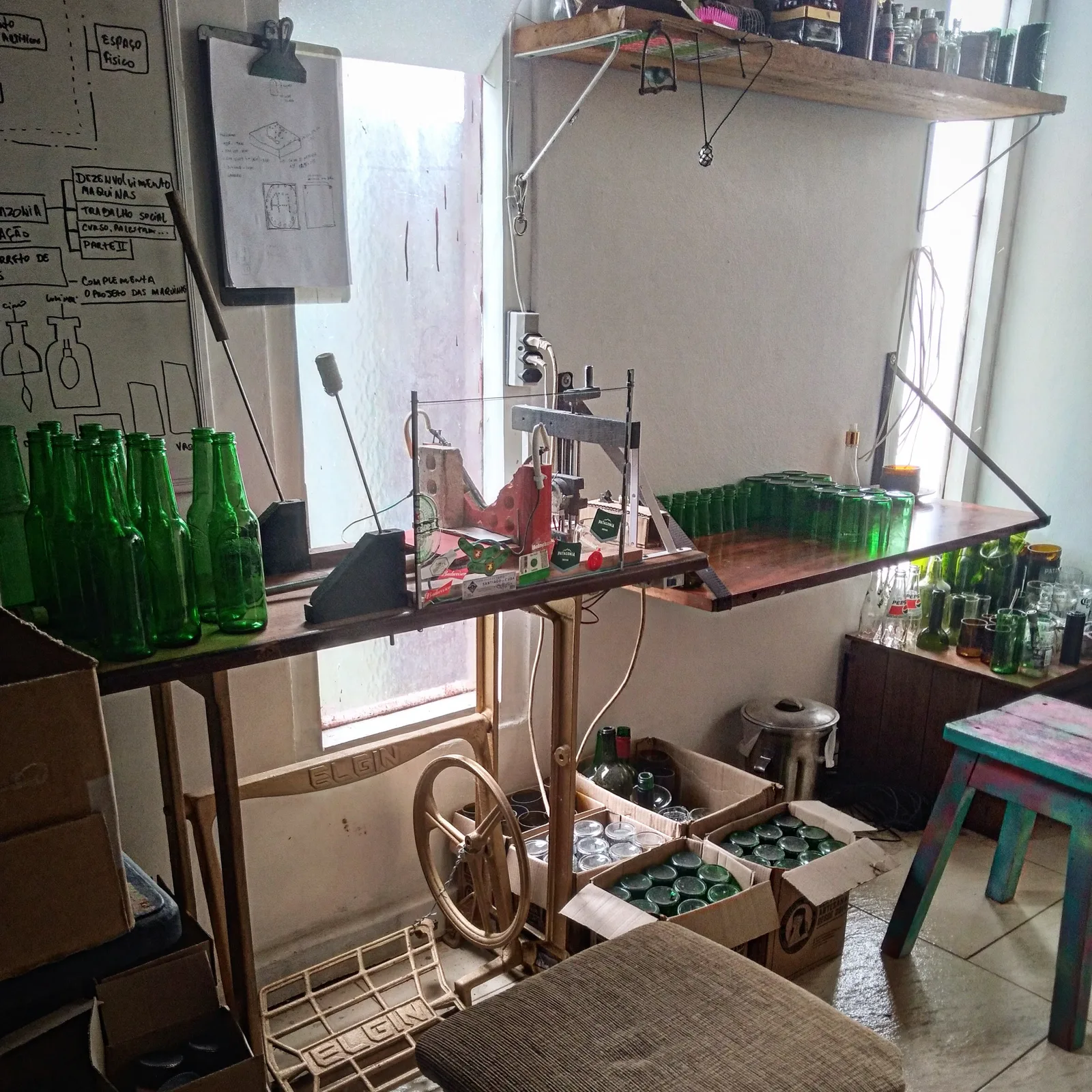
With support, the Ceifadora reaches more schools and communities, and the technology gains patent protection. Companies and institutions can sponsor workshops, and anyone can contribute with a Pix.
I want to be a partnerQuero ser parceiro