Dom Demasi
Administrator, artist and developer of socio-environmental projects. Combines management, creativity and innovation to turn ideas into solutions with impact.
See careerContactLinkedIn ↗Lattes ↗
Hi, I'm Dom
I am Domenico Demasi, known as Dom. I am a versatile administrator with artistic skills and a strong commitment to ecology. I am an active and extremely creative person, able to make assertive decisions at crucial moments.
I have experience working collaboratively in teams and delegating tasks effectively. My proactive approach and passion for creating innovative solutions set me apart in any professional environment.
Education
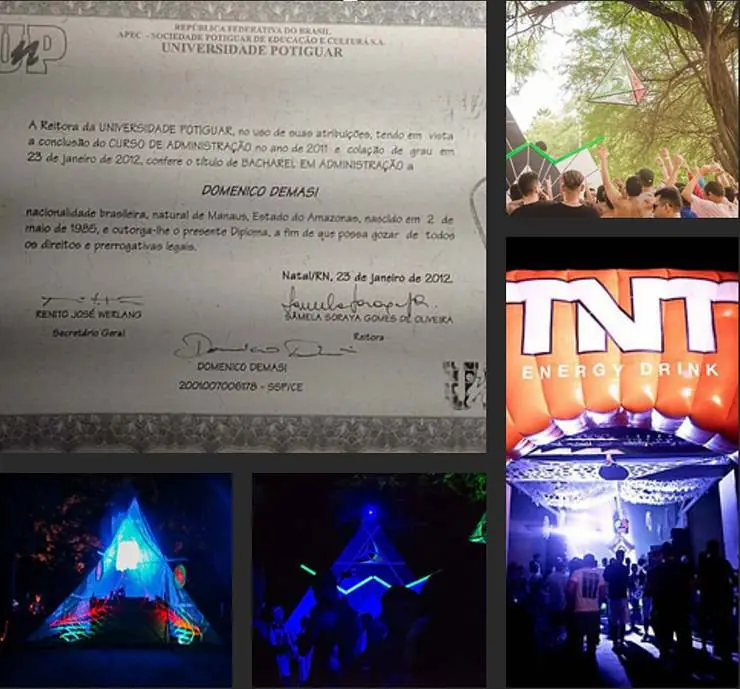
Bachelor's degree in Business Administration (2011), Universidade Potiguar (UNP).
Experience
El Jardinero (2018 to 2020), founder and administrator.
Espaço Cultural Casa Verde (2019 to 2023), co-founder and manager.
Casa Verde Itinerante (2023 to present), co-founder and coordinator of arts and management.
Skills
Languages: English and Spanish (basic).
My journey
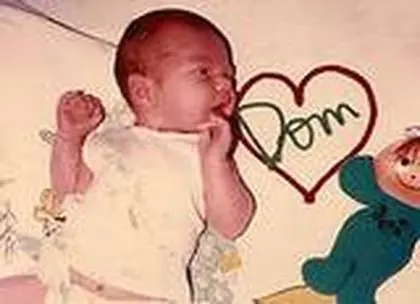
I was born in Manaus, in the Free Trade Zone, and raised in Fortaleza, Ceará.
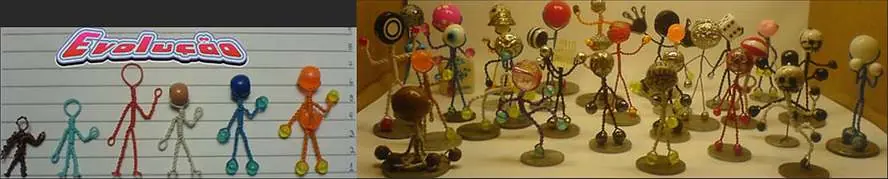
My artistic awakening began very early, between ages 5 and 7, when the curiosity to understand how things worked led me to create, still clumsily, my first wire doll.
In my teens, between 16 and 17, I began putting together photographic comic strips, which I published and shared on my own blog.
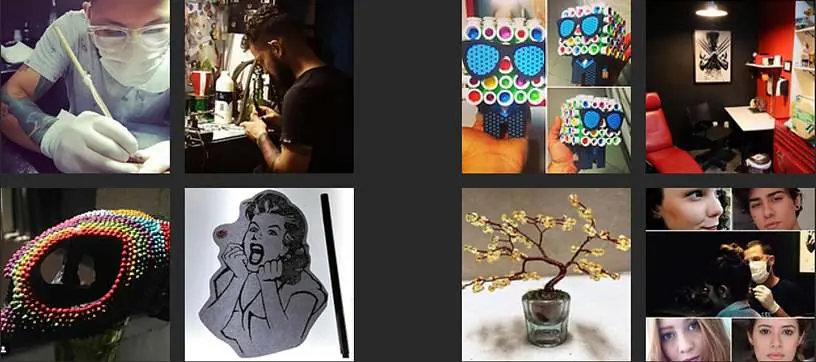
In 2004, at 19, I entered the world of body arts as a body piercer, working as a partner in a tattoo studio.
My first job was as a technical assistant at an electronics repair shop, for both professional and household devices. That experience ended up opening doors and let me take part, even if indirectly, in setting up the Cachaça Museum at Sítio da Ypióca, in Maranguape, Ceará.
It was also around this time that I met the juggling group Artedorafa. I started training with them and, shortly after, began teaching classes within the group itself.
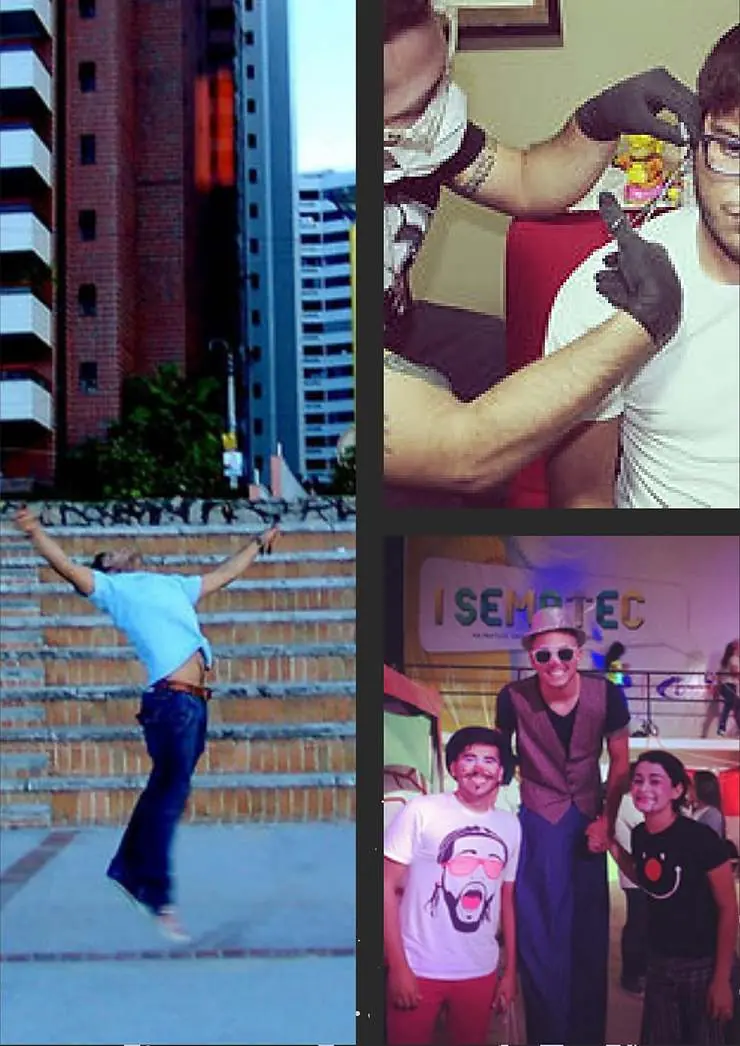
In 2006, I moved to Mossoró, where I started college in Business Administration. During that period I created D-Toy, a line of 3D dolls with geometric shapes, made from wood and cardboard scraps. I also developed DomDarte, a personal project offering free classes in public squares, with the aim of democratizing access to knowledge. The initiative also made it easier to sell gear and book performances.
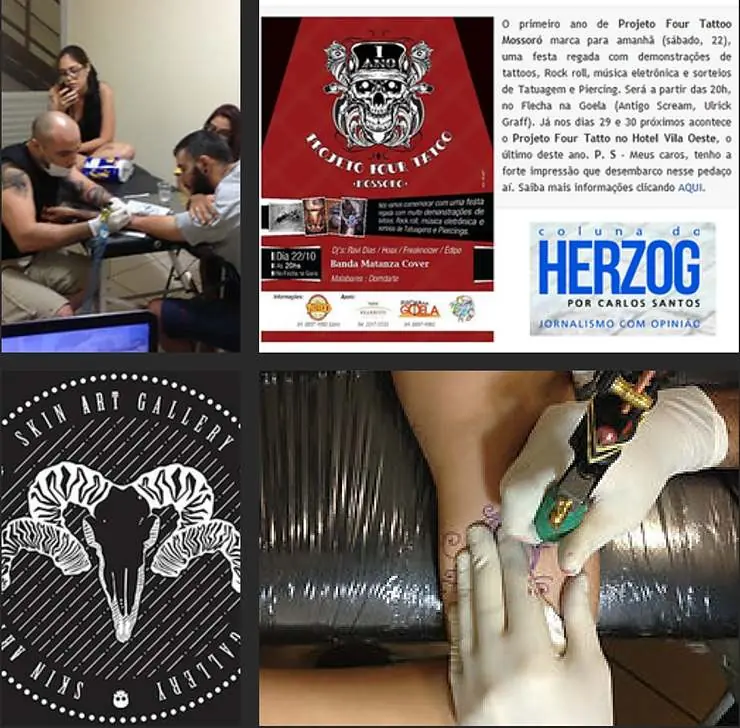
I also created Projeto Four TATTOO, an event that brought tattoo artists from Fortaleza to serve the Mossoró public. The idea was to create a living showcase of the different artistic expressions of tattooing, as well as boost the body-art market in the city.
Alongside all these projects, I developed Skin Art Gallery, my personal brand, where I turn my own life into an art gallery, a way of expressing my experiences, identity and artistic path on the body and in everyday life.
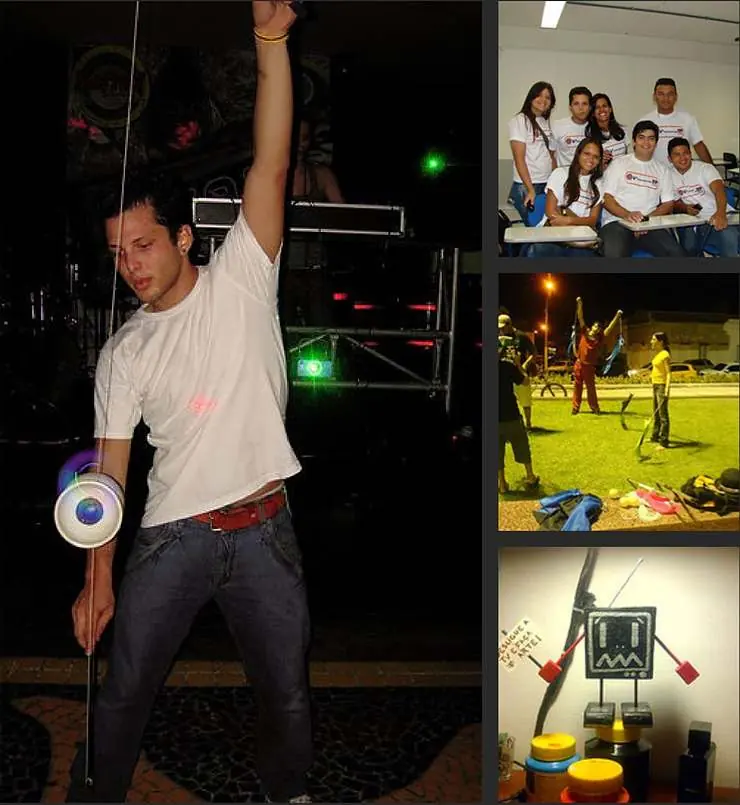
In 2011, I graduated in Administration and began studying Architecture. That was when I started creating pieces to decorate music and cultural festivals, combining my passion for art with elements of set design and ambiance.
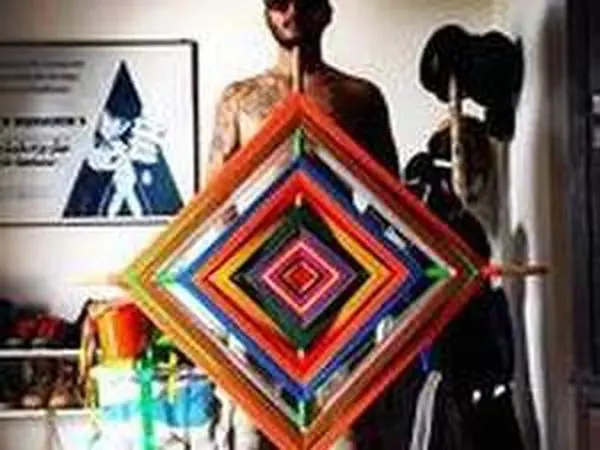
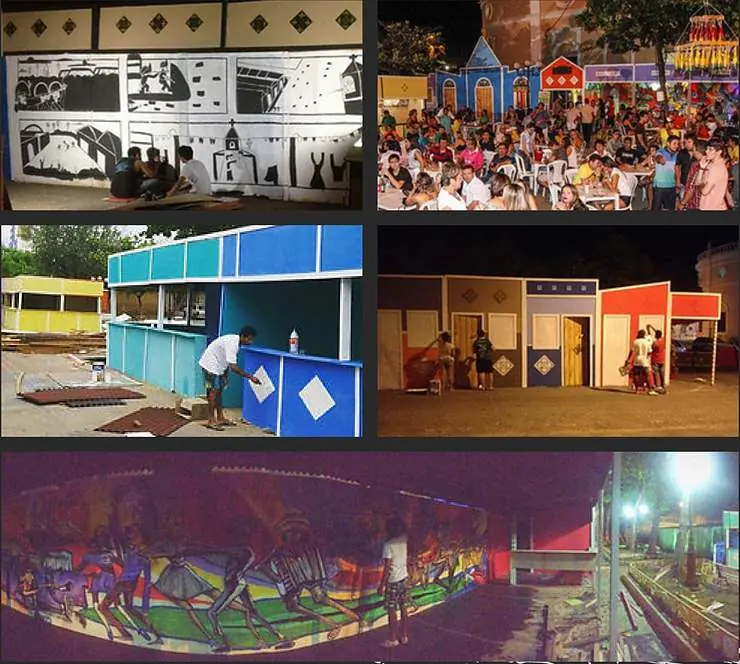
In 2015, I was invited to direct the creation of Cidadela, a space within the Mossoró Cidade Junina event dedicated to showcasing local artists and a food fair. It was a remarkable experience, where I could apply my artistic vision and curation to value regional culture and foster the city's creative economy.
I returned to Fortaleza and dove even deeper into my personal art, exploring the creation of pieces with a wide range of materials and techniques. It was a time of experimentation and deepening my creative process. I also resumed partnerships with tattoo studios, reconnecting with important ties in the body-art world.
2018
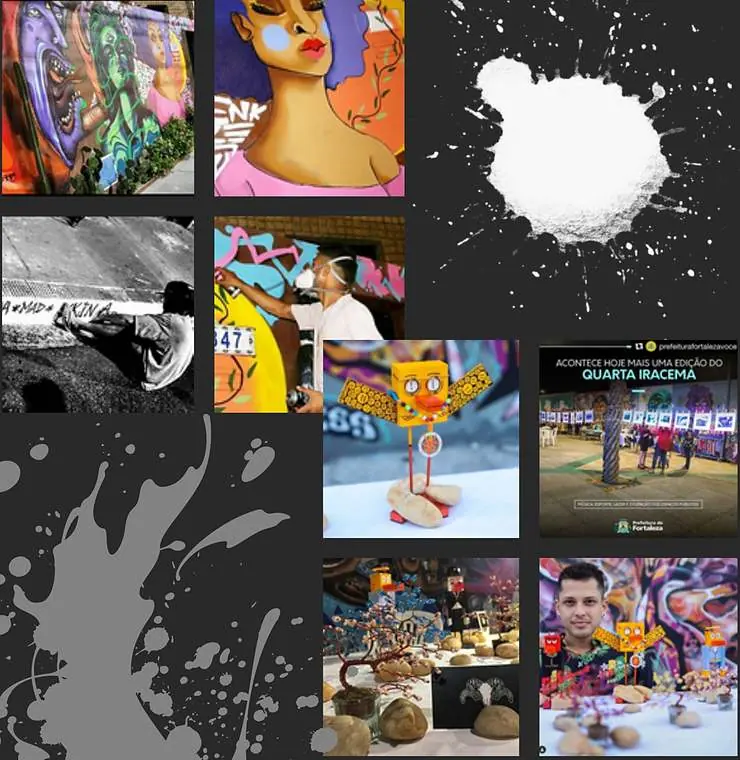
In 2017, through Skin Art Gallery (SAG), I invited four graffiti artist friends to make an artistic intervention on the facade of my family's house, located on one of the busiest avenues in Fortaleza. The idea was to create a direct visual impact for passers-by, turning urban space into living, accessible art.
In 2018, I took part in Quarta Iracema, a crafts fair promoted by the Fortaleza City Hall. The event had 12 editions and I was present at 8 of them, showing my work and connecting with other artists and the city's public.
In mid-2018, I decided to move to Presidente Figueiredo, in Amazonas. After just three months living in the city, I felt the need to seek a more self-sustaining life and finally put into practice many of the plans and knowledge I had been accumulating over the years.
Also in 2018, I launched the El Jardinero BR brand, whose logo features a Mexican skull (La Catrina) as a tribute to Mexico, in a vibrant design full of cacti and flowers. The cacti were initially sold in reused styrofoam cups, an attempt at reuse, but I soon realized it still wasn't a fully ecological solution. That's when I began collecting glass bottles to reuse as vases, giving rise to my first ecological project: Vidros da Amazônia.
That same year I took part in the Feira das Manas in Presidente Figueiredo, where I showed El Jardinero products. It was an excellent opportunity to share my creations with the local community. At the end of the year, I also took part in the Festival Jacunda, where I had the chance to remodel an abandoned structure using reusable materials. My job was to create a tobacco shop for the festival, a project that combined art with sustainability.
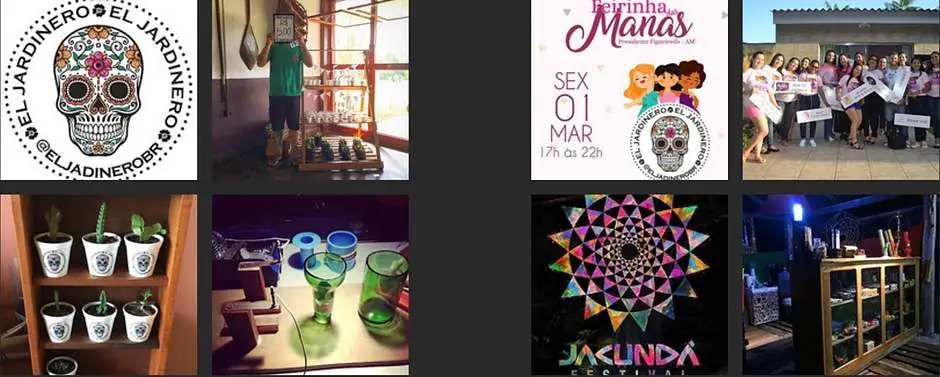
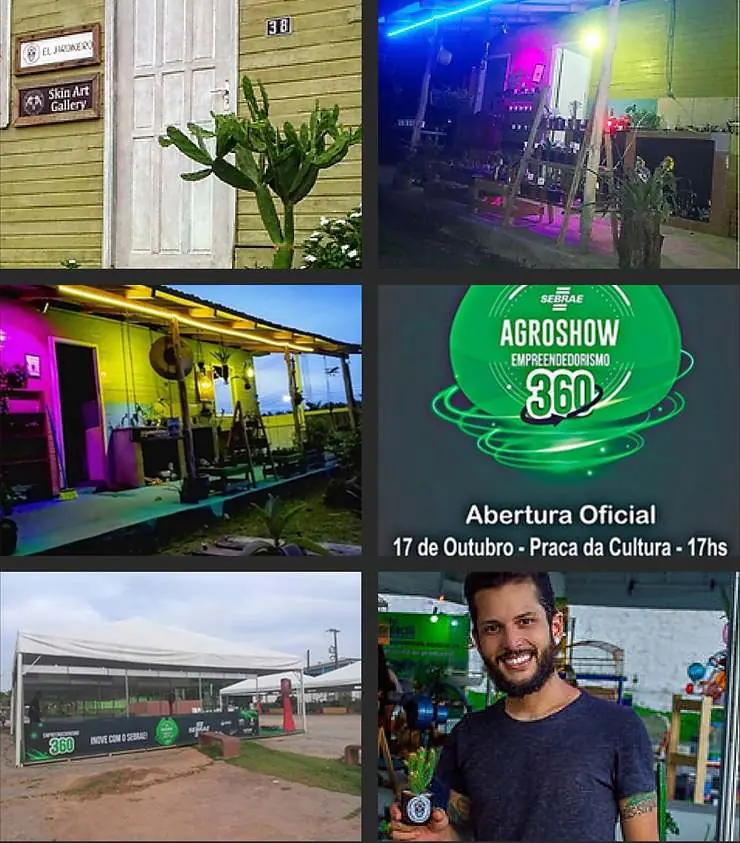
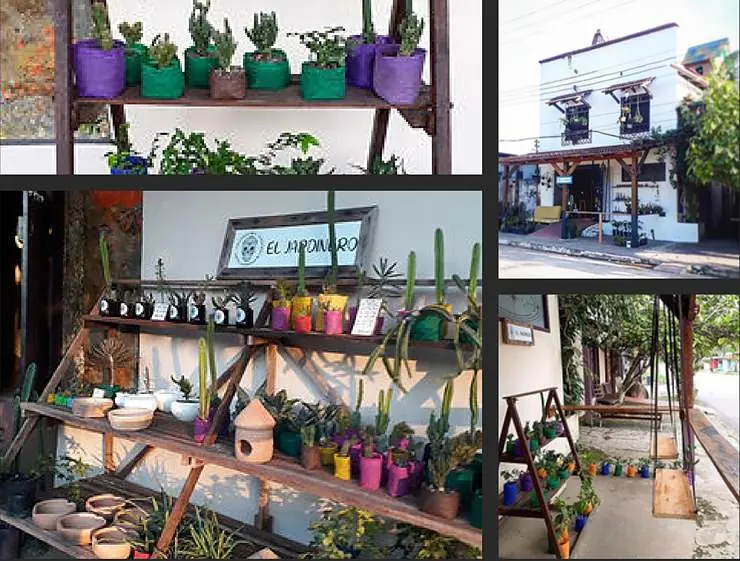
In 2019, I rented a house in town and turned it into a cultural flower shop. The space didn't just sell flowers, but also hosted music performances with my friends and film screenings in the backyard, creating a welcoming and creative environment for the local community. In October of the same year, I took part in the fourth edition of Agroshow Figueiredo, Empreendedorismo 360, an event held by SEBRAE-AM, where I showed El Jardinero products.
During the 2019/2020 pandemic, I used the moment to dedicate myself to creating and developing ecological projects, focusing on finding sustainable solutions. That period was fundamental in consolidating my vision of a more conscious and responsible future, both in art and in the way of living.
2020
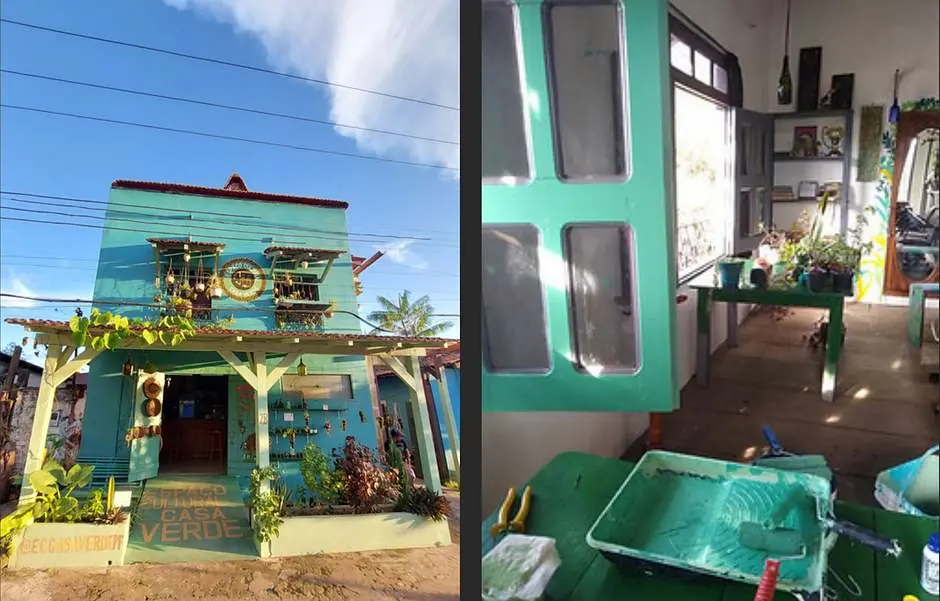
Also in 2019, I set up the Casa Verde Cultural Space, with the aim of creating a hub for art, culture, and social and ecological education. The space became a creative-economy center where we held exhibitions, film clubs and many cultural activities, always focused on connecting art and sustainability. In 2020, the film screenings, which began without a name, came to be called Cine Cult Social.
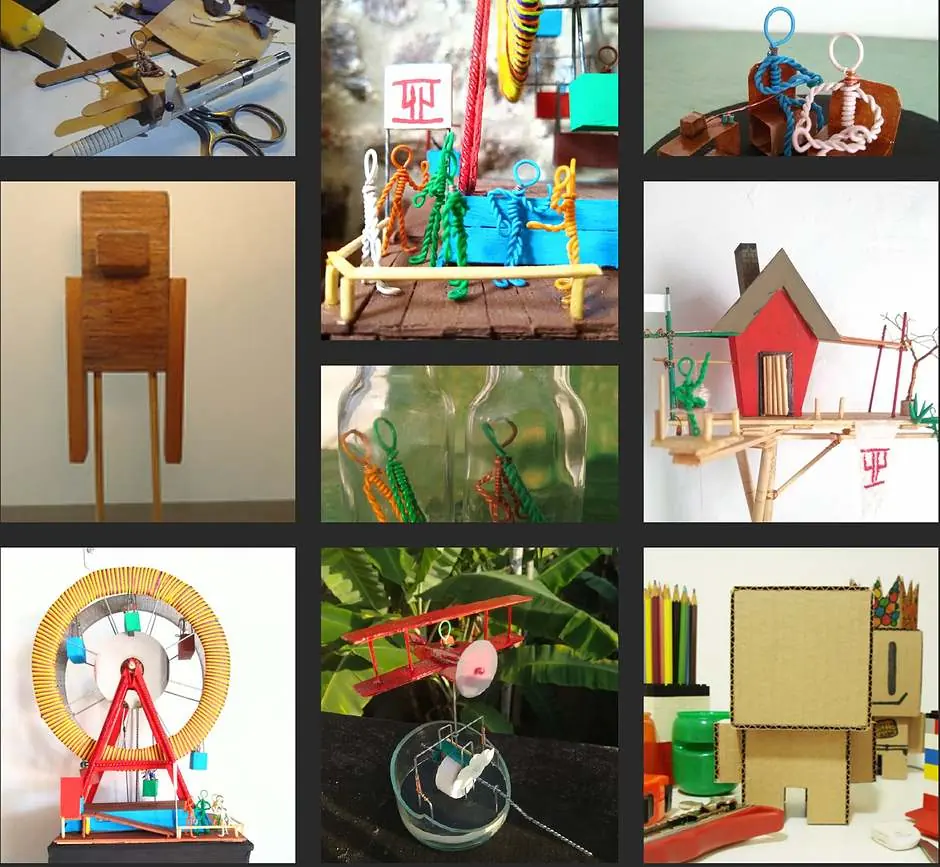
In 2021, I took up old projects again with a new ecological approach, full of enthusiasm and art. When reactivating the D-Toy project, I adopted the practice of reusing all the waste generated in our work environment, such as cardboard boxes, wire, sticks, glass, plastic, wood and other materials. With this, I managed to turn waste into economic benefits, creating true Toy Art, toys to collect, keep and admire. Today, the project has three main characters: Cubo-T, Cuco Louco and the Magrelos.
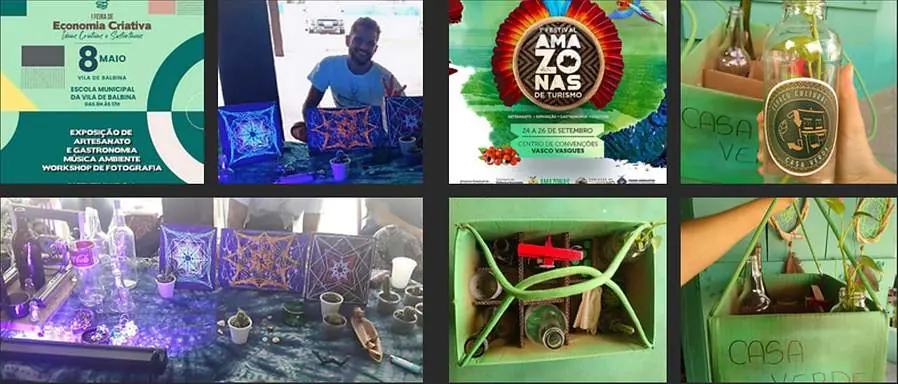
I took part in the first Creative Economy Fair (focused on creative and sustainable ideas) held in Balbina, where I showed products from my Vidros da Amazônia project, including the glass-cutting machine I use. That participation was part of a project funded by the Aldir Blanc Law. In September of that year, I also provided pieces to the Presidente Figueiredo City Hall for display at the municipality's stand during the first Festival Amazonas Turismo, held in Manaus.
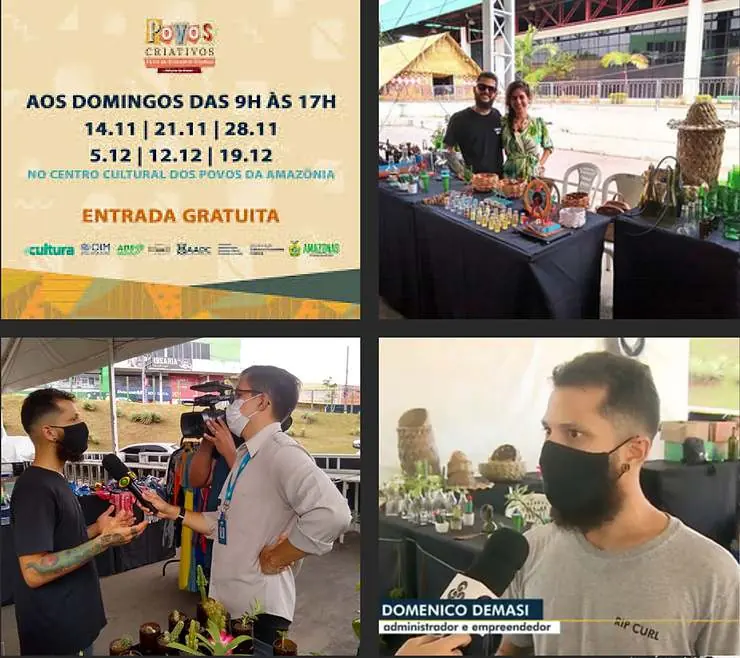
In October and November 2021, I took part in the First Povos Criativos Creative Economy Fair, held by the Amazonas State Government. It was an incredible opportunity to present my creations and be in touch with other artists and entrepreneurs who share the same vision of sustainability and innovation.
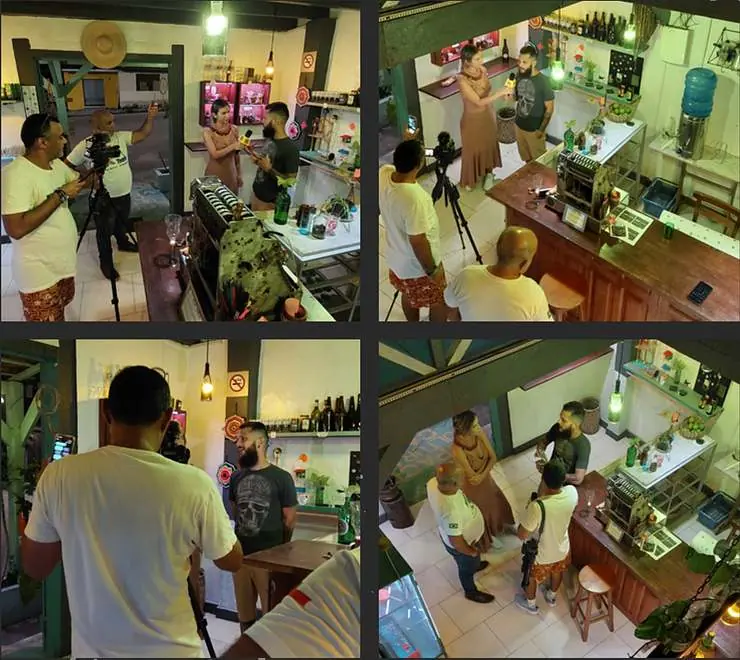
On March 3, I gave an interview to the @amazoniatvweb news team, with camera work by Sergio Menezes and the interview led by Camila Brasil. During the interview, I talked about the Casa Verde Project proposal, highlighting the projects we are developing to help society, especially regarding socio-environmental education and income generation through recycling.
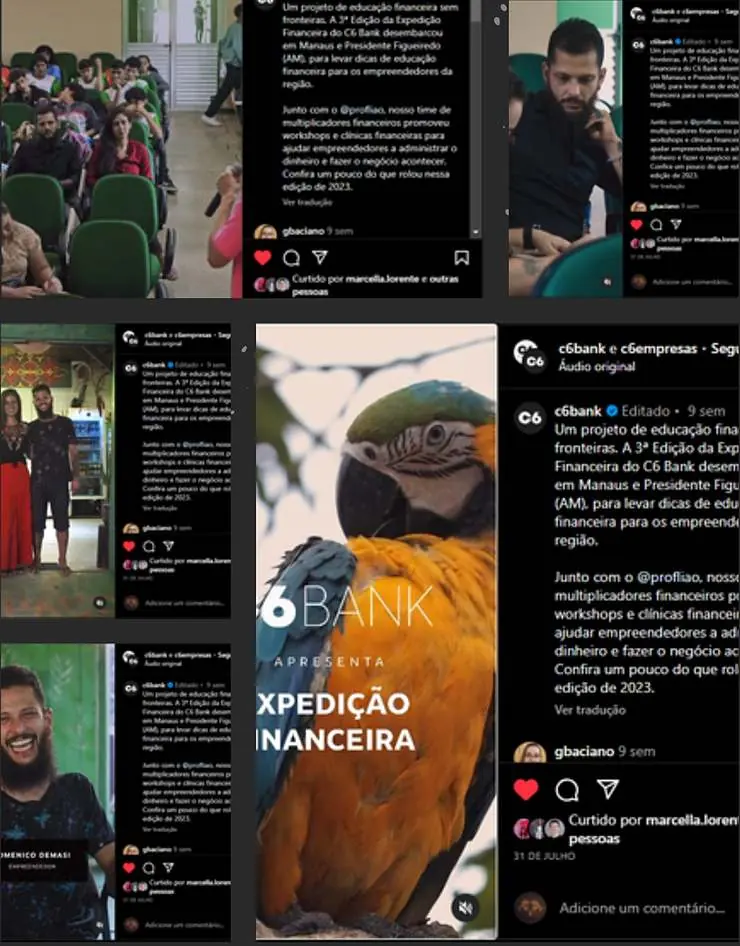
On May 18, 2023, I took part in the 3rd edition of the C6 Bank Financial Expedition. The team came to visit the Casa Verde Cultural Space, and we had a very pleasant get-together.
The expedition is a borderless financial-education project, and this edition landed in Manaus and Presidente Figueiredo (AM), aiming to bring financial-education tips to entrepreneurs in the region.
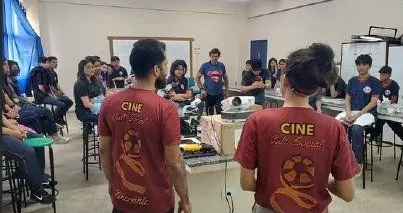
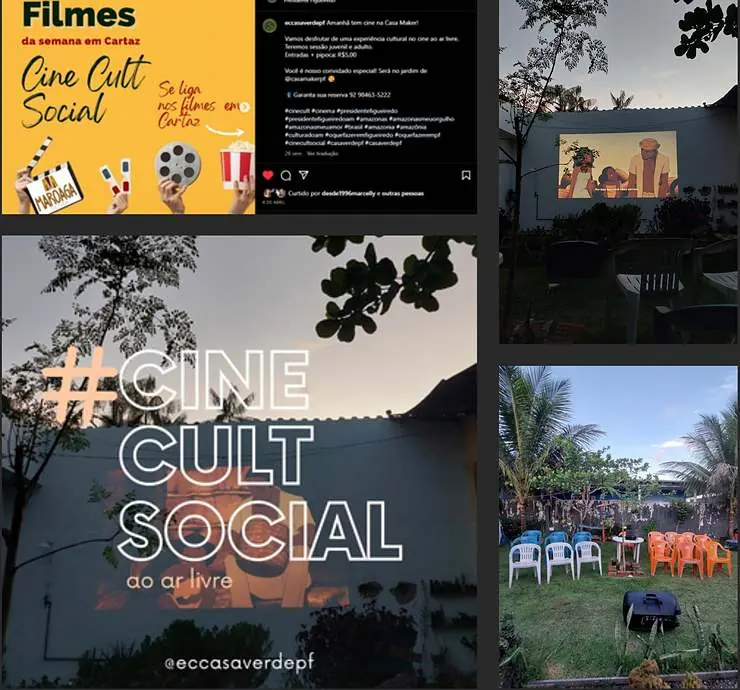
On October 18, we resumed our activities with the Film Club at Casa Maker, bringing a new concept and a more social approach. The goal was to create a space for cultural exchange and learning, joining the art of cinema with actions that engage the local community in a more inclusive and collaborative way.
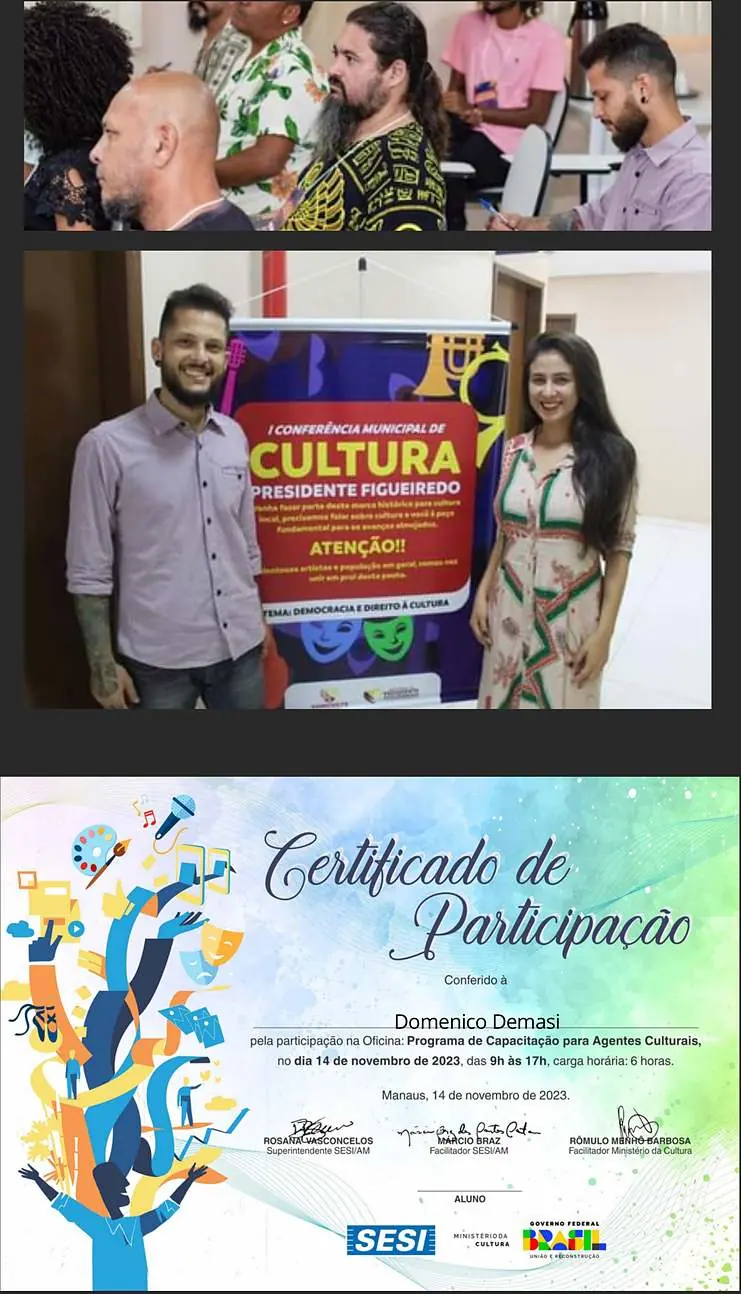
On September 28, I took part in the First Municipal Culture Conference of Presidente Figueiredo, an important event to discuss the future of culture in the region and strengthen the exchange of ideas among local cultural agents. On November 14, I took part in the workshop of the Training Program for Cultural Agents, a space for learning and sharing experiences that aims to improve the skills of professionals working in the cultural field.
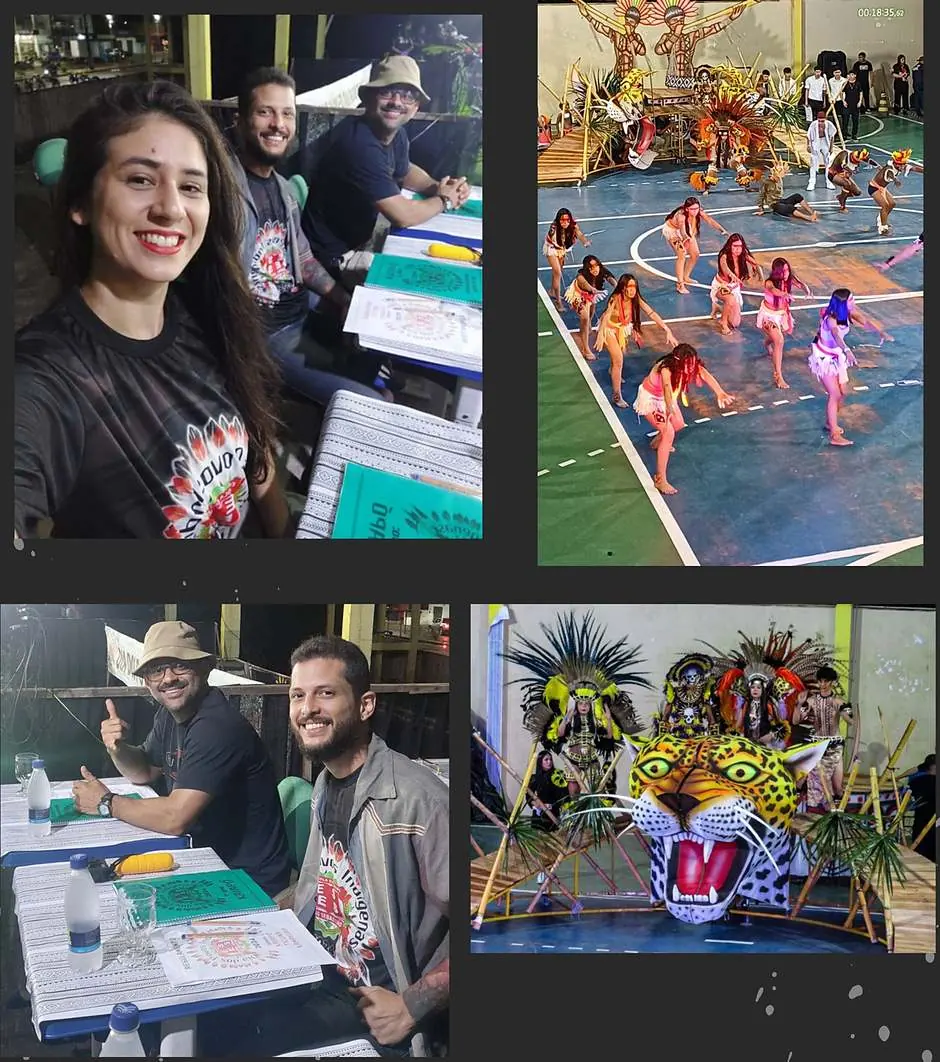
Indigenous Peoples Week
I was a juror at the Indigenous Peoples Week at Colégio Estadual São Sebastião do Uatumã, an enriching experience that let me contribute to the recognition and appreciation of Indigenous cultures in the region.
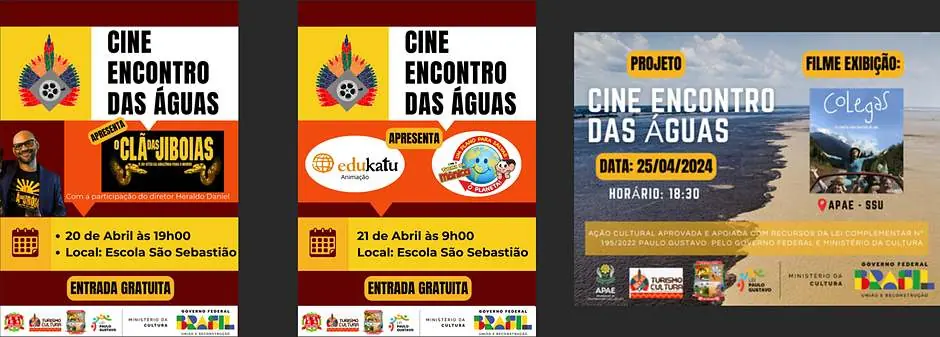
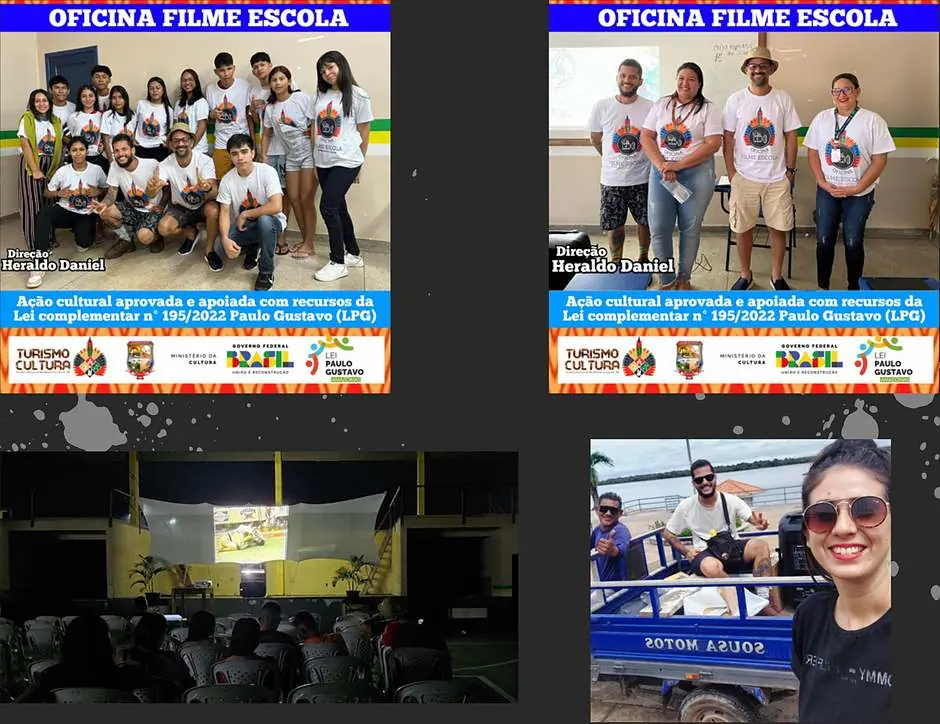
Cine Encontro das Águas and Cine Escola
I was funded by the Paulo Gustavo Law in São Sebastião do Uatumã, which allowed me to carry out the Cine Encontro das Águas project. I also took part in Cine Escola, a project funded by the Paulo Gustavo Law, which gave students an enriching cultural experience.
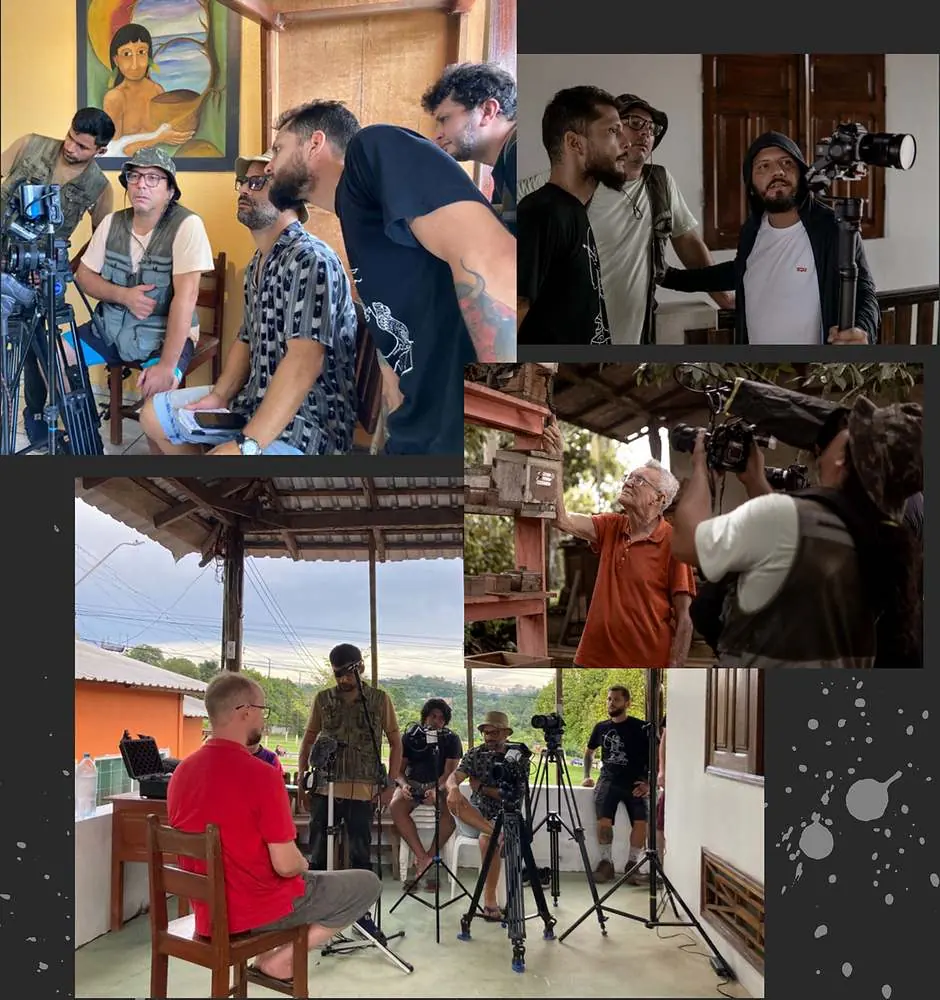
O Silêncio dos Kiña (The Silence of the Kiña)
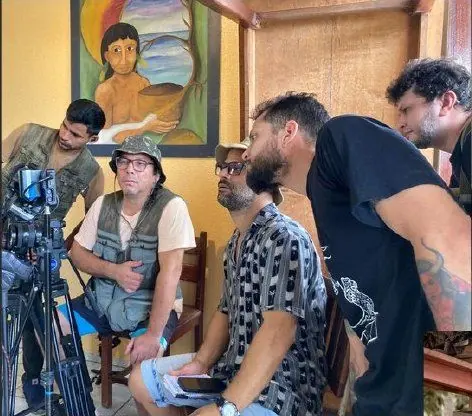
In May, I took part as set-design producer in the documentary "O Silêncio dos Kiña", filmed in Presidente Figueiredo, AM. The filming took place at the home of Mr. Egydio Schwade, and I was able to help create an environment that reflected the essence of the story told in the film.
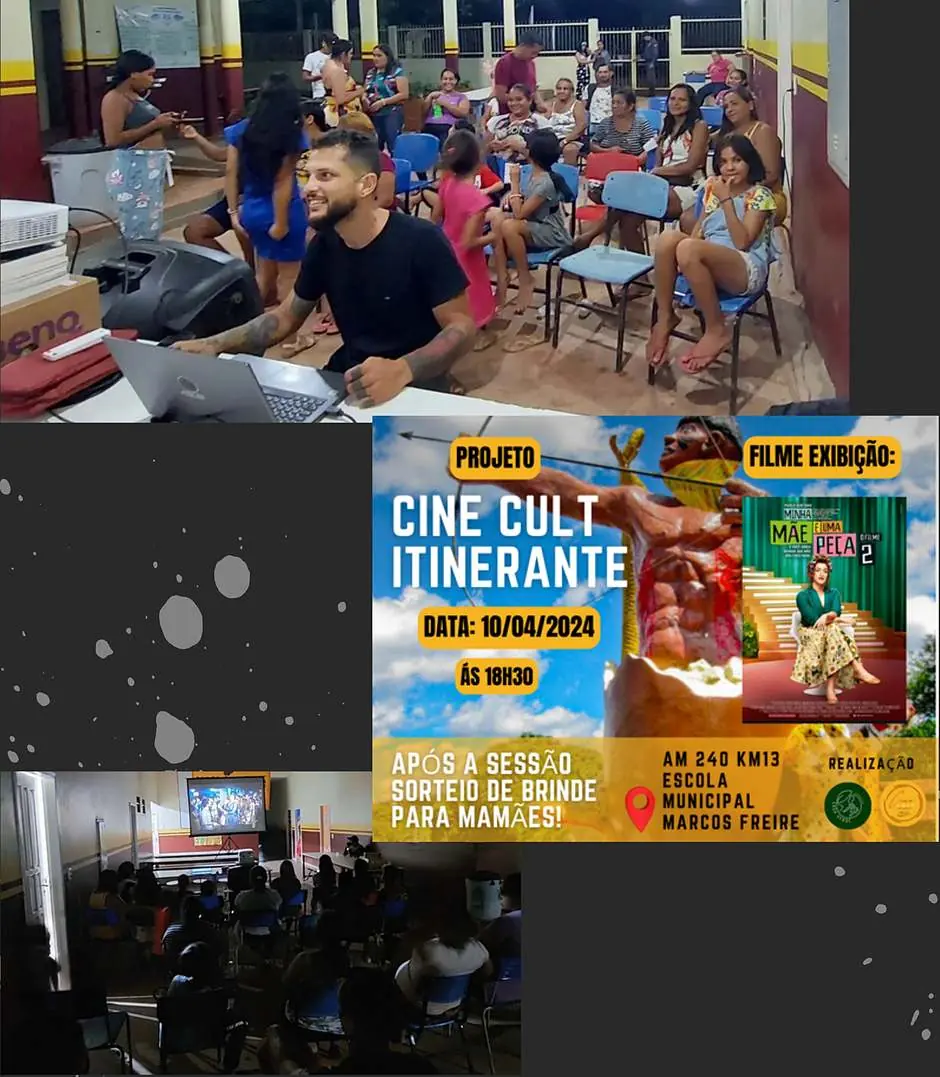
Cinema for the mothers of Marcos Freire
In May, I held a charity event with cinema and raffles for the mothers of the Marcos Freire Rural Community, km 13 of AM-240, in Presidente Figueiredo. It was a way to celebrate Mother's Day and give the community a moment of leisure and joy.
Bela Vista Community
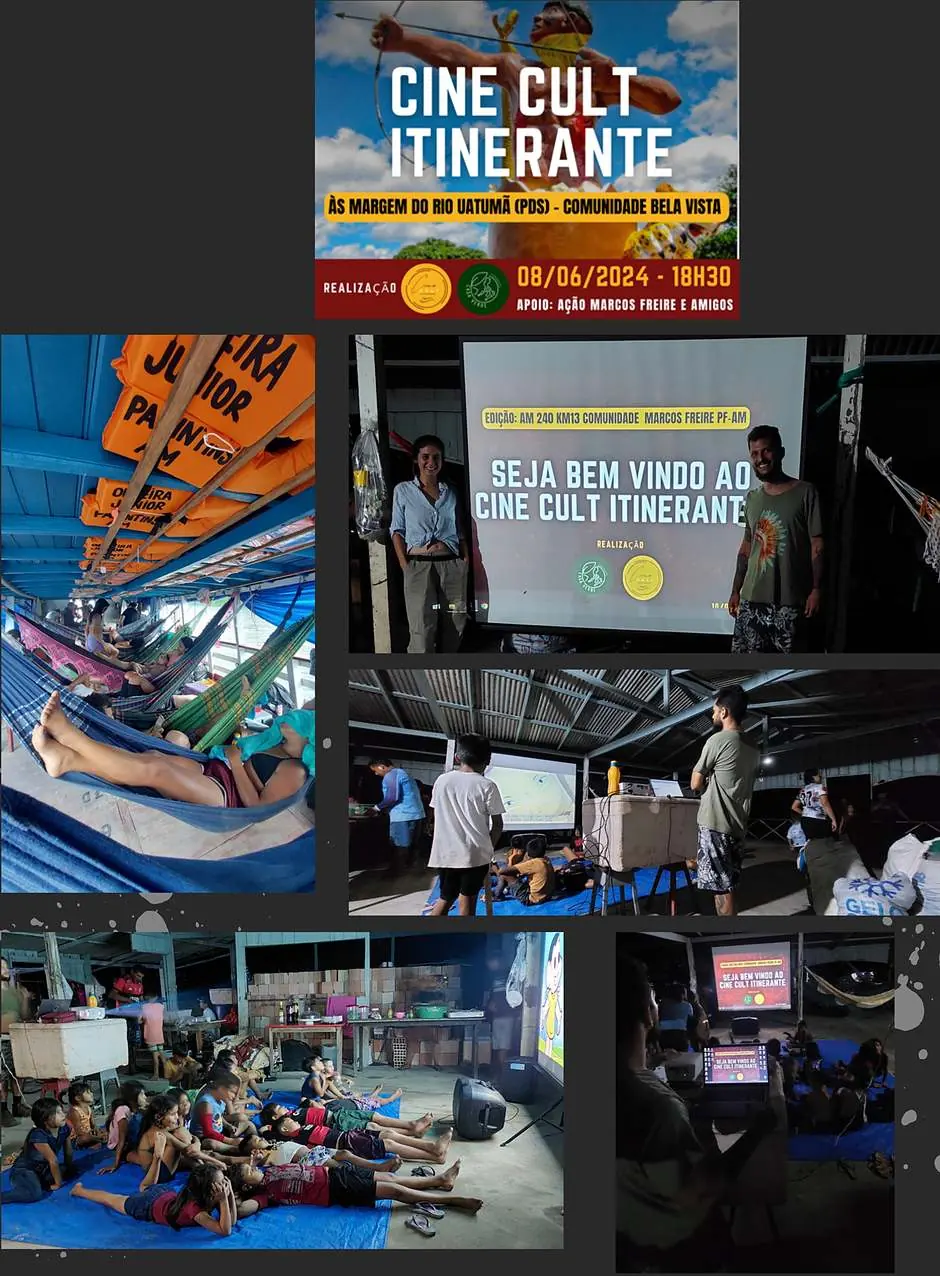
In June, we were invited to take part in a social action in the Bela Vista Community, on the banks of the Rio Uatumã, at Ramal da Morena, in Presidente Figueiredo. The action aimed to bring support and resources to the community's people, offering a moment of sport, leisure and culture, with Cine Cult Itinerante.
Cine Rio de Ouro Project, in Coari
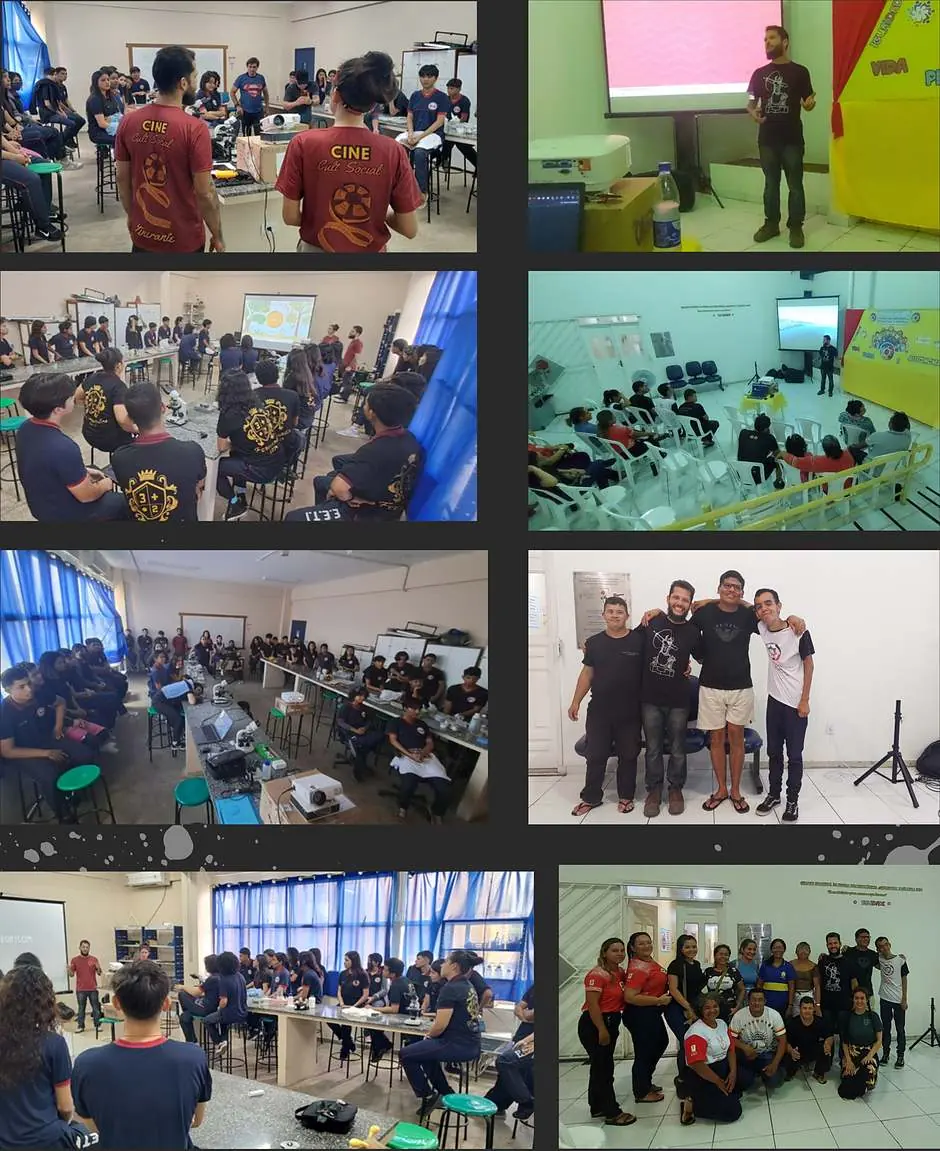
In September, I carried out the Cine Rio de Ouro Project in the municipality of Coari (AM), of which I was the proponent. The project was funded by the Paulo Gustavo Law of Coari, offering the local community a rich and accessible cultural program at the CETI Prof. Manuel Vicente Ferreira Lima School and the Pestalozzi Association.
Mente Aberta Project
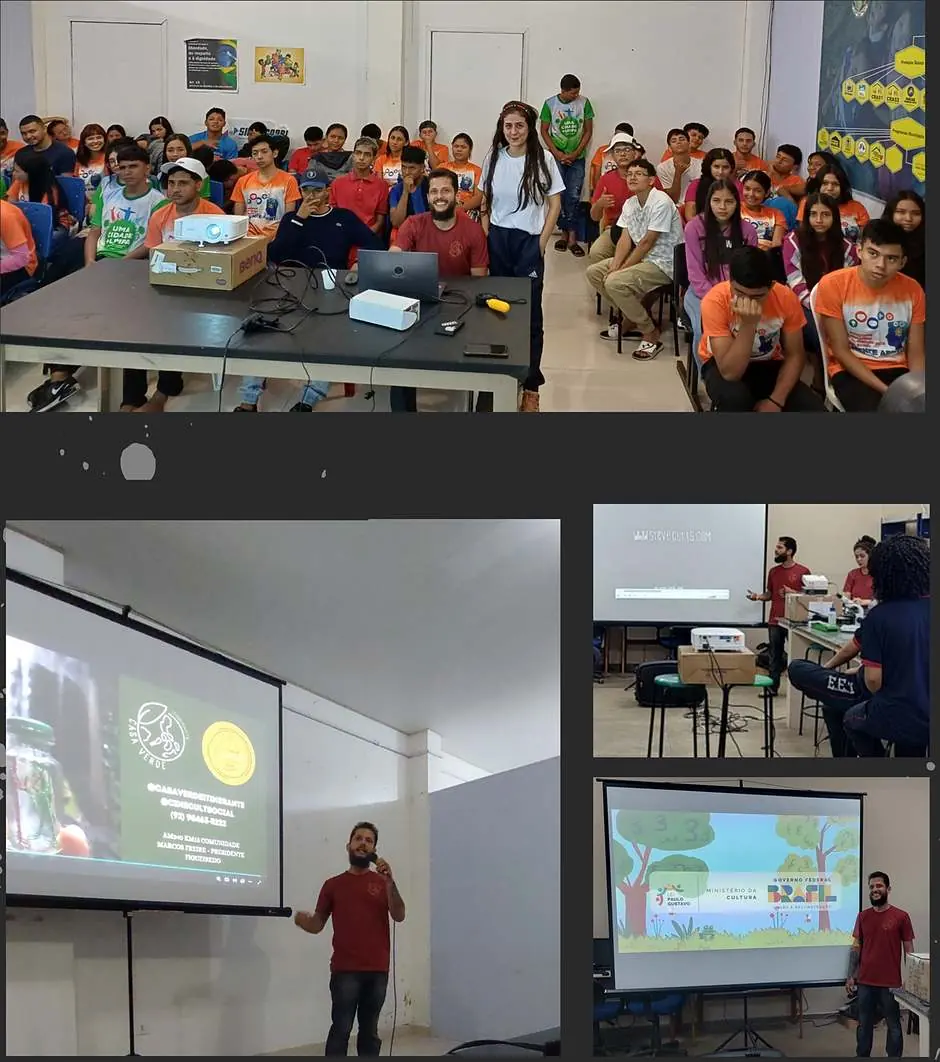
Also in September, I gave a talk on Environmental Education and Sustainable Enterprises for the Mente Aberta project, in the city of Coari. It was an opportunity to share knowledge about sustainability and how we can do business consciously and responsibly.
21st Science and Technology Week
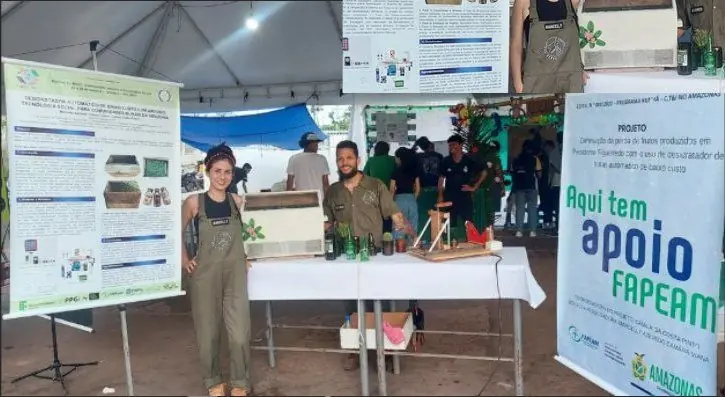
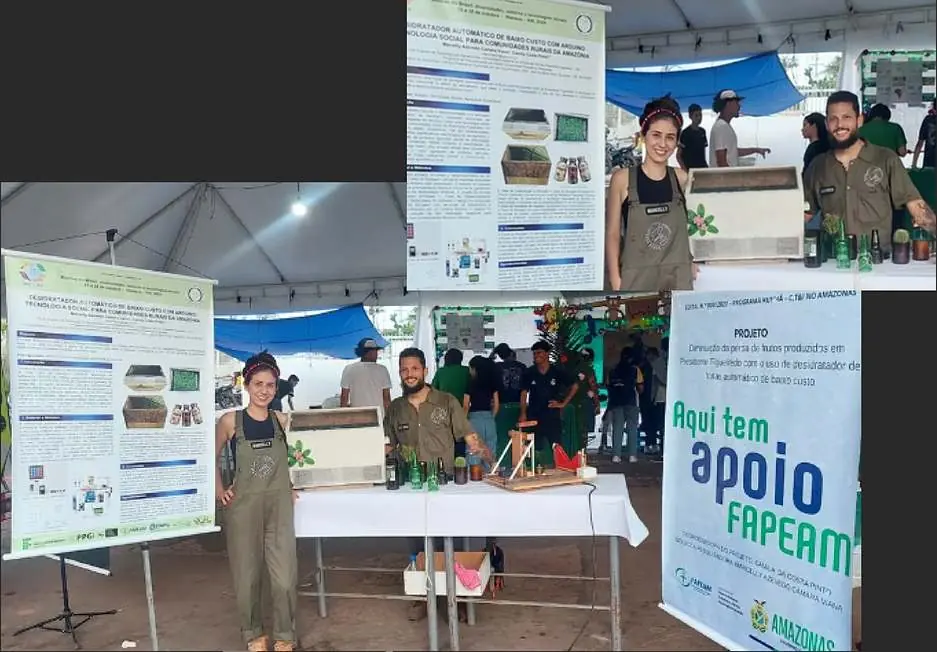
On October 17, I took part as an exhibitor at the 21st IFAM Science and Technology Week, in Presidente Figueiredo, presenting two social technologies: the solar dehydrator and the machine from the Vidros da Amazônia Project.
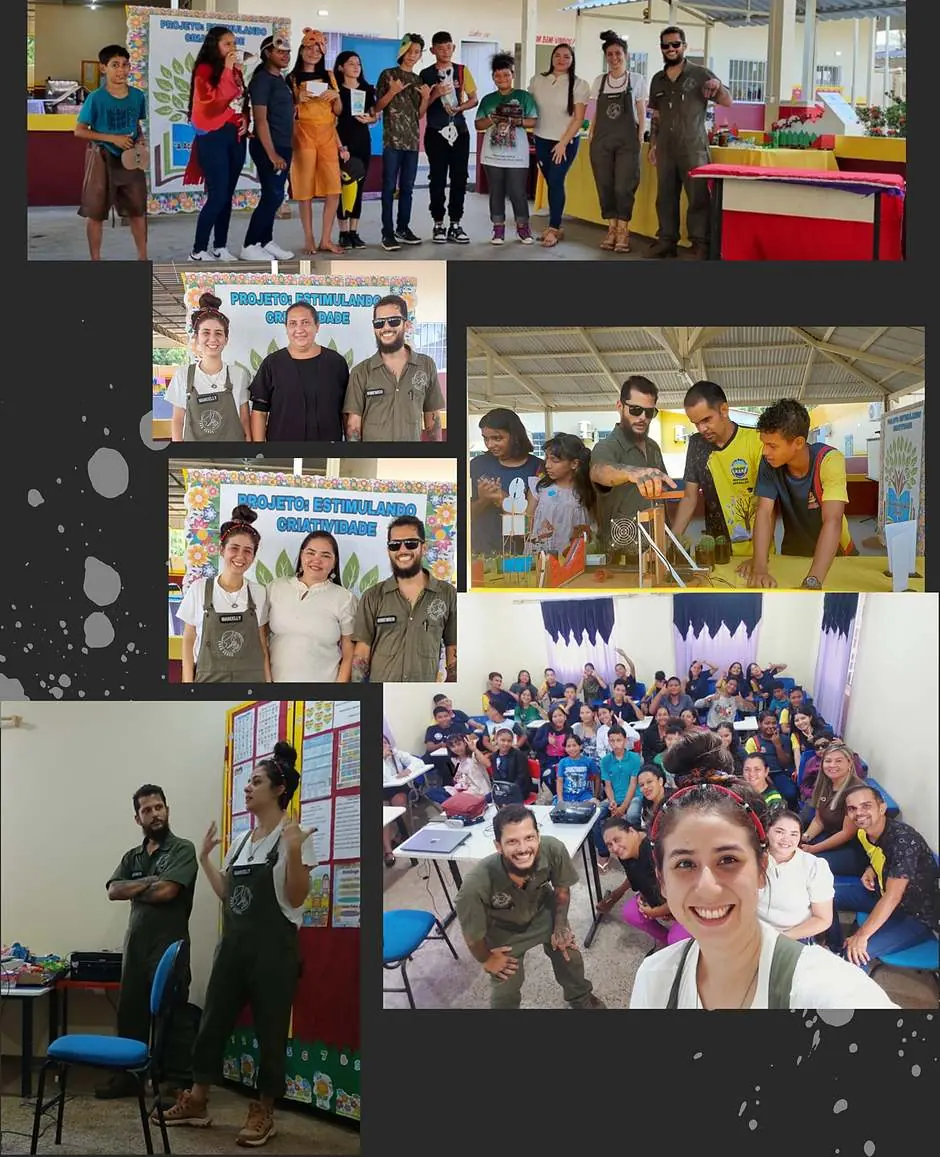
Stimulating Creativity
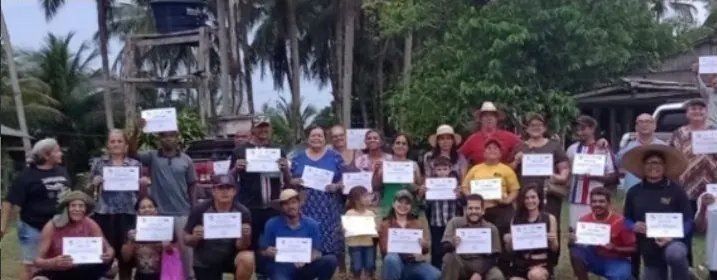
I was a speaker and juror in the project "Estimulando Criatividade" (Stimulating Creativity), held in the Novo Rumo Community, at km 165 of BR-174, in Presidente Figueiredo. The theme was human action and the environment. It was an enriching experience to contribute to the creative development of the participants and encourage local protagonism through art and education.
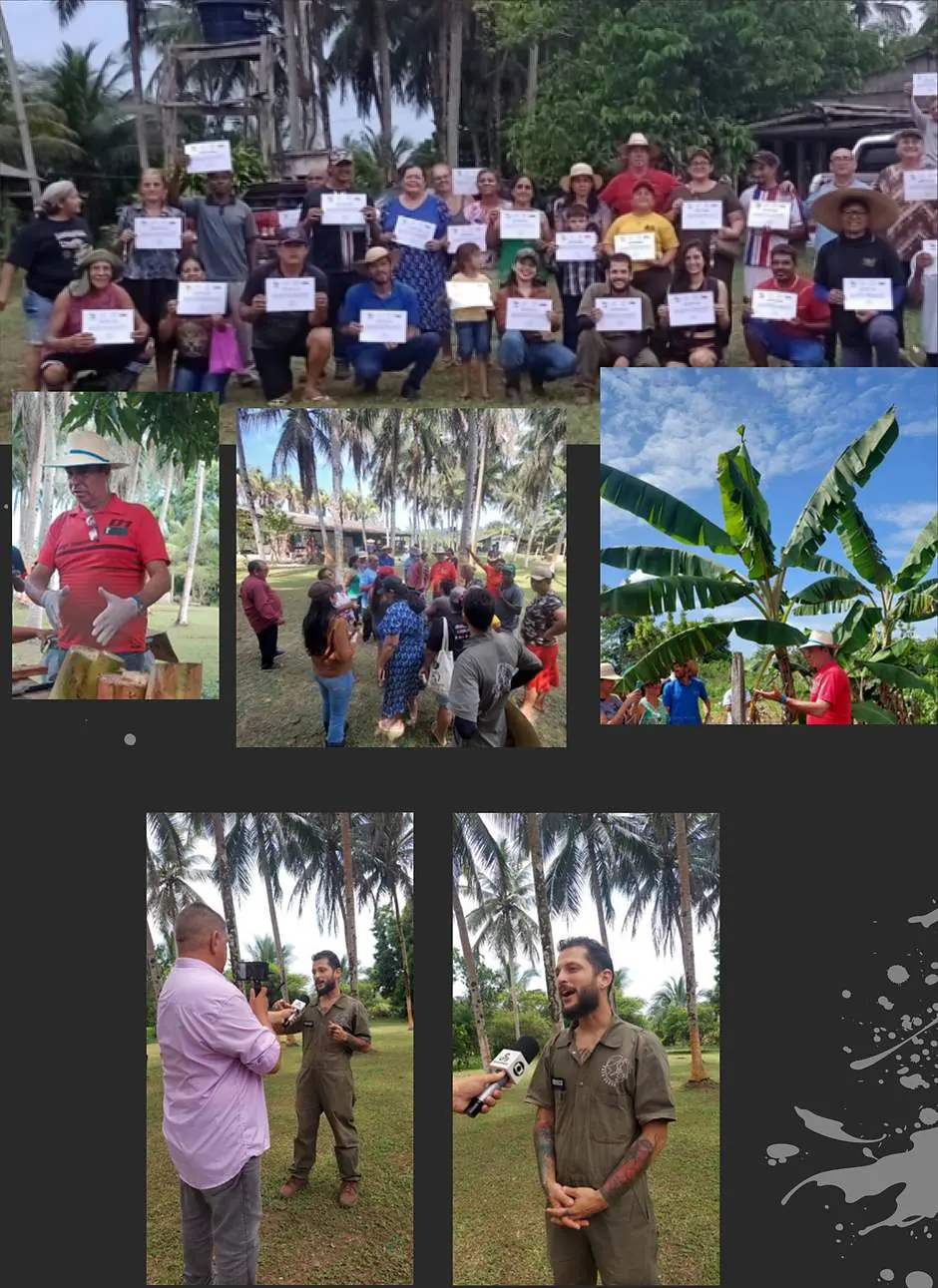
Organic banana and biofertilizer
On January 16 and 17, at Fazenda Santa Fé (km 184 of BR-174), I took part in the course on organic banana production and homemade biofertilizer. I gave an interview to Rede Globo about the course, sharing experiences and knowledge about sustainable farming practices, focusing on valuing natural cultivation and the use of ecological inputs.
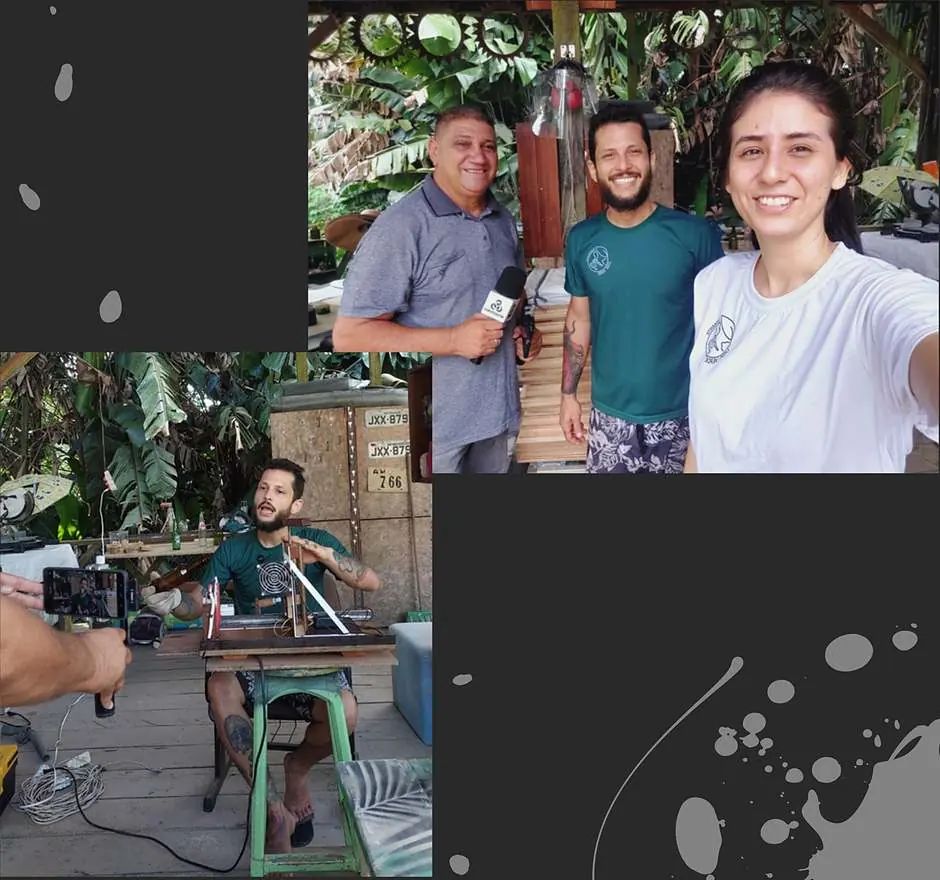
Rede Amazônica visit
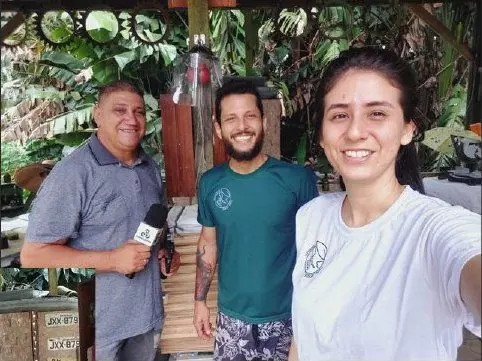
On January 20, we received a visit from Francisco Carioca, reporter at Rede Amazônica (Globo), at our sítio, where he came to see the space and present the Vidros da Amazônia project. It was a special opportunity to show how we combine sustainability, creativity and material reuse in our ecological actions. The interview has already aired and is available on our YouTube channel.
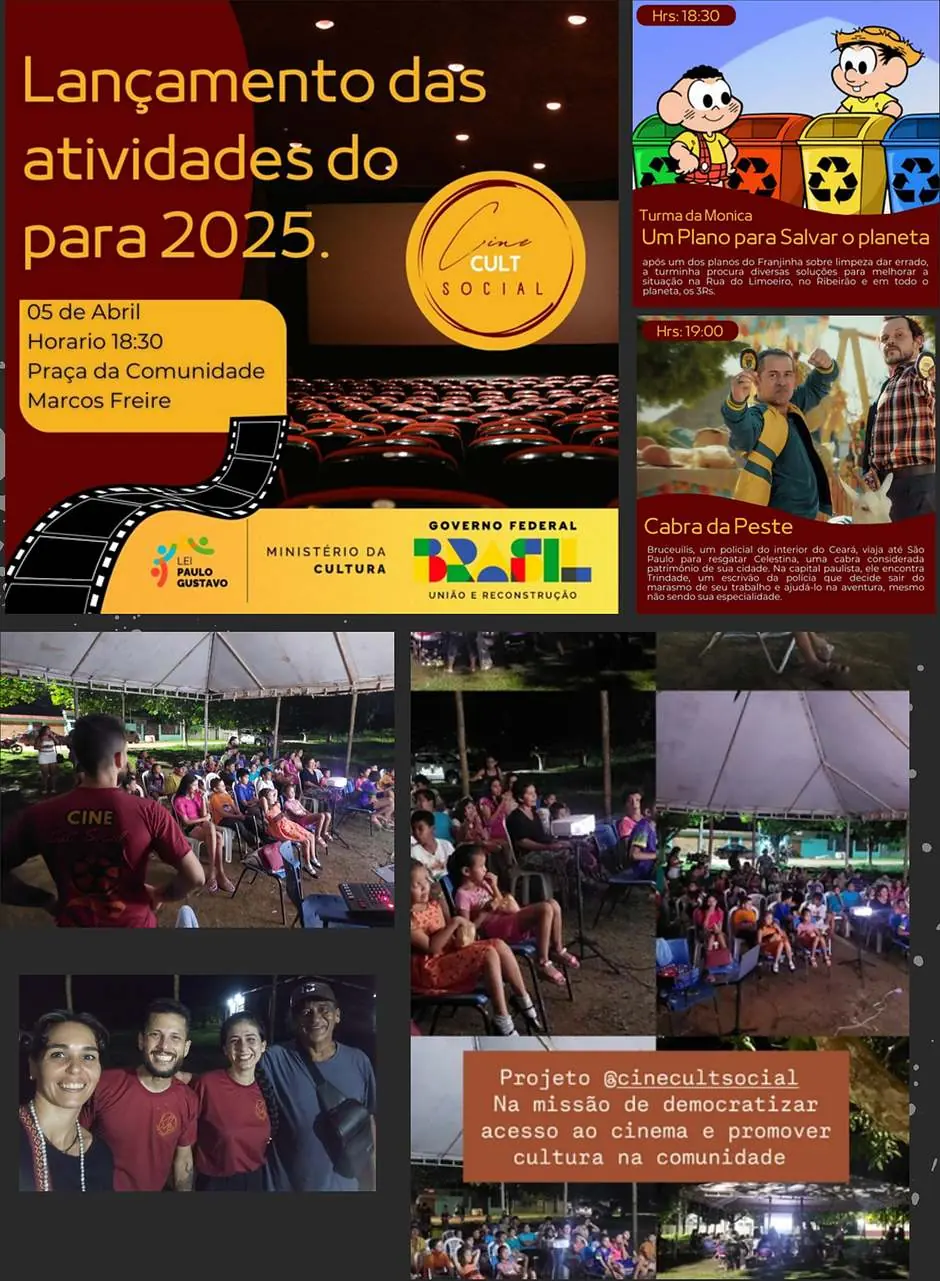
Launch of Cine Cult Social 2025
On April 5, we launched the 2025 Cine Cult Social activities, funded by the Paulo Gustavo Law, with family cinema in the Marcos Freire Community (AM-240, km 13).
World Creativity Day 2025
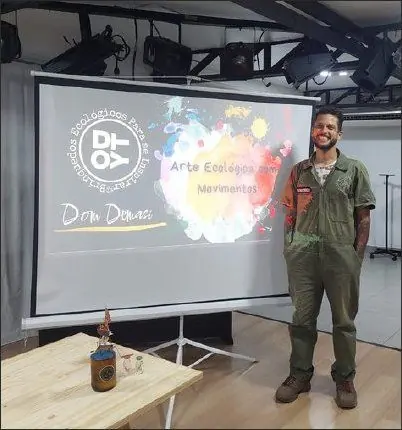
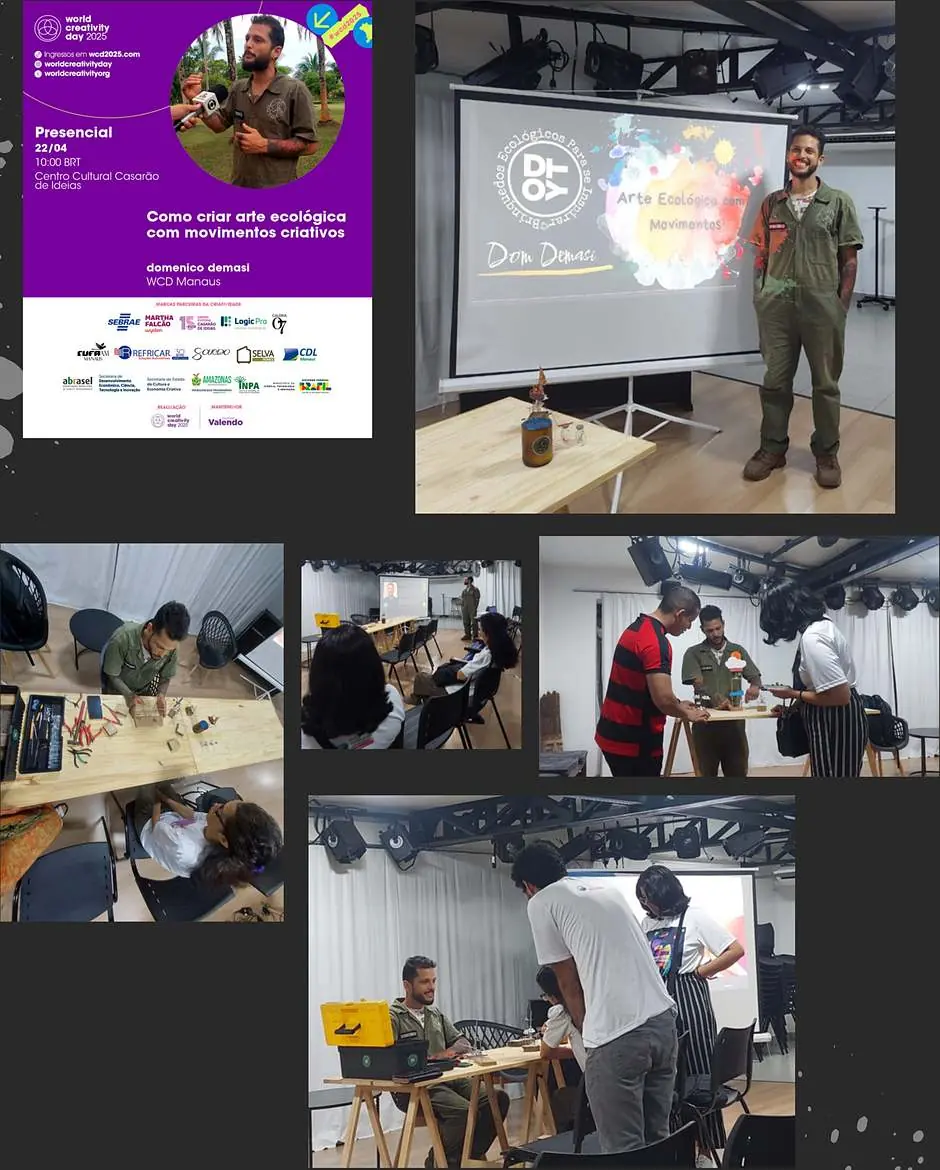
On April 22, I taught my D-Toy workshop, "How to Create Ecological Art with Creative Movements", at Casarão de Ideias, during World Creativity Day 2025. It was an incredible experience to share my creative process and inspire others to turn waste into art and education.
Festival Curicaca, Brasília
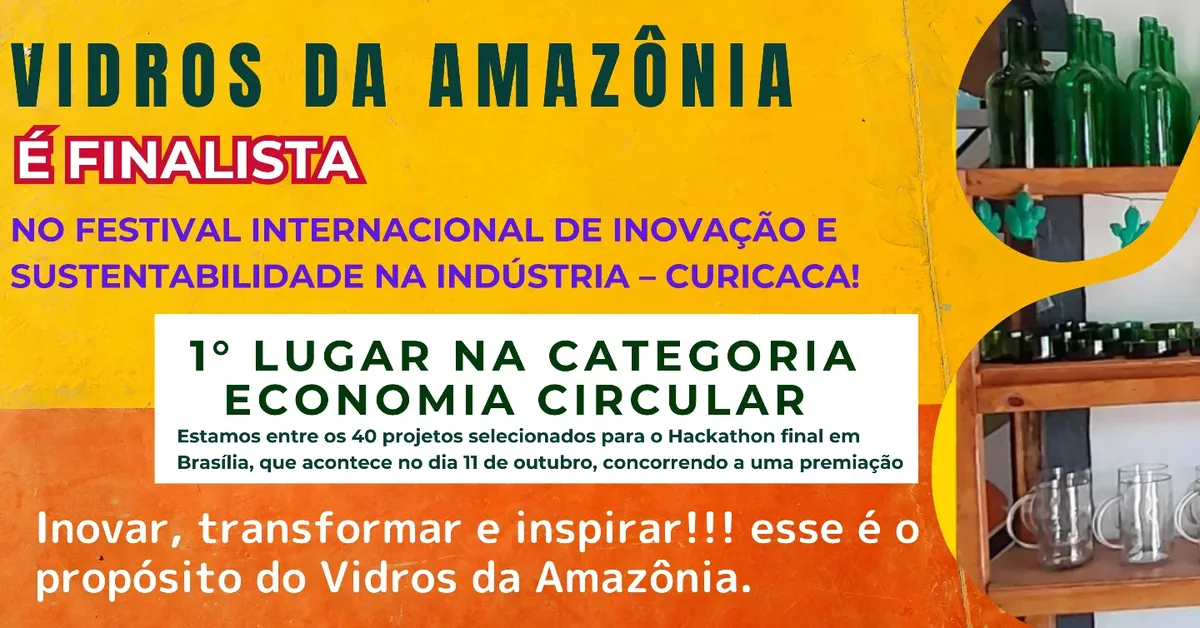
In October, I took Vidros da Amazônia to Festival Curicaca, the International Festival of Innovation and Sustainability in Industry, promoted by ABDI at Arena BRB, in Brasília. Among 350 projects entered in the National Innovation Challenge, we were among the country's 40 finalists and ranked first in the Circular Economy category, representing the North and Presidente Figueiredo. At the final, on October 11, we presented the Ceifadora at the Startup Battle. We didn't take the prize, but the experience of defending the project on a national stage remained as learning for future presentations.

Stage photo: Curicaca Team / ABDI
Projects I took part in


Some moments