Vidros da Amazônia
Social technology
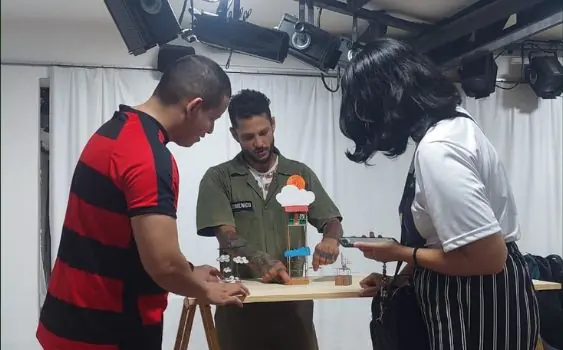
A simple handmade machine, easy to spread through community teaching, that turns bottles into glasses, lamps, jars and candle holders and raises public awareness of proper disposal.
>
Founded by Domenico Demasi and Marcelly Câmara, it brings together art, social technology and a circular creative economy.

Artist and creative-economy project manager, he leads the arts and administration of Casa Verde Itinerante. Creator of Vidros da Amazônia, D-Toy and the traveling juggling school DomDarte Malabares.

Studying Agroecology Technology at UEA. Cultural producer, creative-economy project manager, accredited primary producer and environmental guide. She handles communication and social media, takes Cine Cult Itinerante to communities and serves as a Paul Singer Territorial Agent in Amazonas.


To democratize access to art and culture through traveling experiences that promote social inclusion, sustainability and respect for diversity.
To be a benchmark in traveling culture in Brazil, connecting diverse communities with innovative artistic experiences that drive local development and social change.
Art and culture are everyone's right, regardless of origin, income or location.
Reduce environmental impact at every stage of every project.
Celebrate the richness of Brazilian culture and the many voices and stories within it.
Bring art to the public with new technologies and languages.
Use art to foster dialogue, critical thinking and a fairer future.
It all began when a couple decided to transform everyday life with creativity and sustainability. That is how El Jardinero BR was born, inside a charming wooden house.
It housed a café and a cactus shop unlike anything around: the cacti were planted in reused coffee cups, the very ones customers had just finished using. It was a simple gesture that touched the community, because every cup headed for the trash got a new life, with a little plant inside.
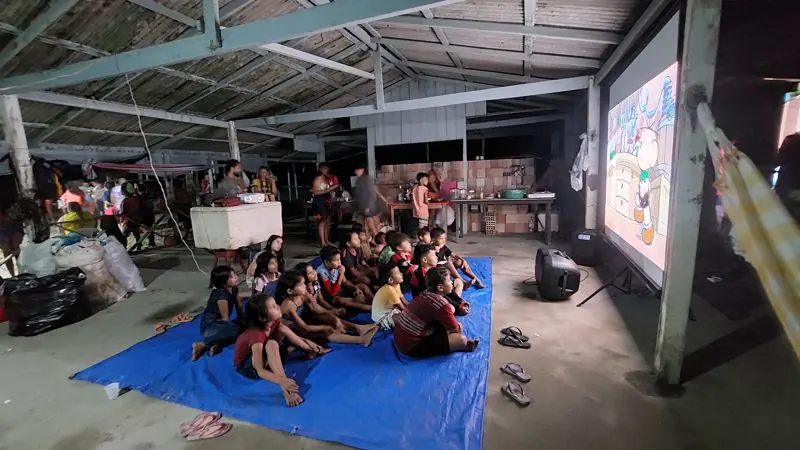
The couple didn't stop there. The backyard became a cultural space, and films were screened under the stars in the middle of the vegetable garden, with improvised chairs and a welcoming atmosphere. It was cinema that smelled of wet earth.


Then came a big leap. A commercial building, donated by Dom's father, became the Casa Verde Cultural Space, where art, technology and social impact began to walk side by side.
This is where the Vidros da Amazônia Project was born. Using electronics donated by friends and neighbors, the couple built a handmade machine to cut glass bottles. And it worked: about 30,000 bottles were recycled into glasses, lamps, jars, candle holders and many other creative products. An exchange system completed the idea: those who brought bottles went home with recycled products. The community embraced the project.
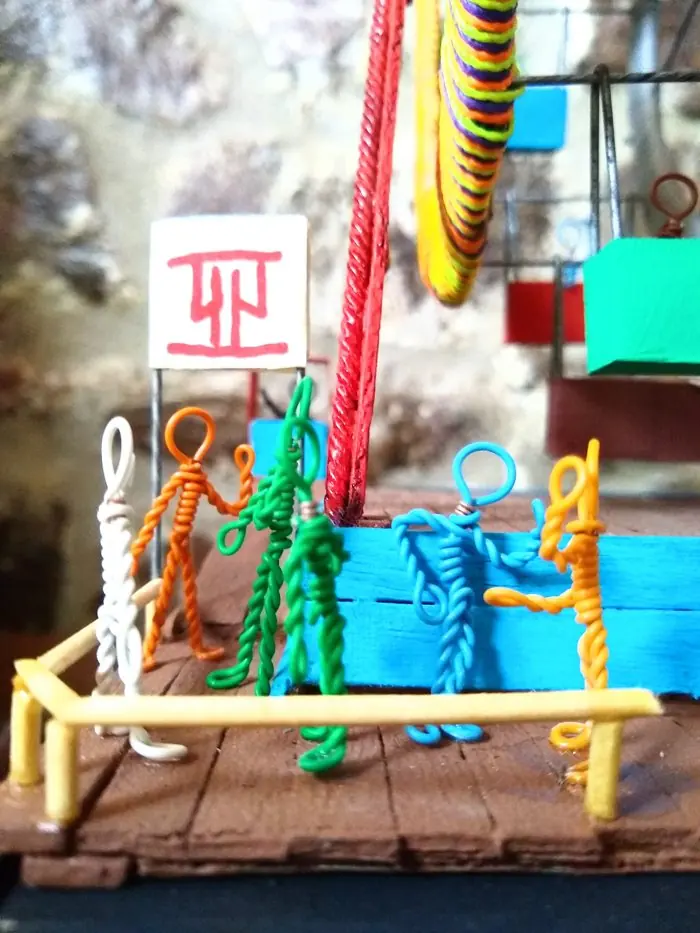
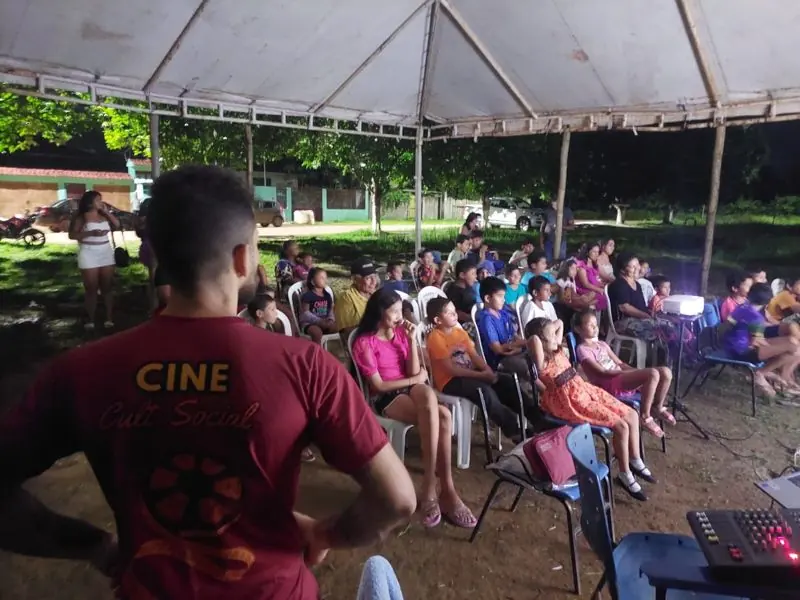
Other ideas flourished there: Cine Cult Social, with weekly film screenings; the Especiarias Solar box, created to dry herbs from their own garden, such as ora-pro-nóbis, mint, peppermint and roselle, which later became a project by Domenico and Marcelly, turned into an automatic dehydrator and was published in a book; and D-Toy, a line of toys made from recyclable waste, with characters like the wooden Cuco Louco, the cardboard-and-plastic Cubo-T, and the Magrelos, made from network-cable wire.


As the project grew, a new house was rented a few meters away: Casa Maker.
Dom and Marcelly lived there, and the space also hosted a rural-urban guesthouse with a hammock room and an experimental field. It was also the workshop where the glass machine prototypes were refined, until reaching a simple, easy-to-replicate design.
That same year, Casa Verde gained a collaborative gastronomic pub, with guest chefs and a creative shop for local artists and artisans. The place pulsed with culture and warmth from Thursday to Tuesday, resting only on Wednesdays.
But the mission called for new paths.
In September, activities at the headquarters ended, and Casa Verde officially became itinerant.
The destination was the Marcos Freire Community, a rural area where needs are more urgent and the impact deeper. There began the screenings, workshops, talks and conversation circles, all shaped to local reality. It was there that the couple learned to listen before proposing, and discovered that the knowledge of the land was already there, in the hands of those who live on it.
It was the year culture said yes: five Cine Cult Social Itinerante projects were approved under the Paulo Gustavo Law.
Three of them were carried out in São Sebastião do Uatumã and Coari, bringing cinema, culture and leisure to people with little access to cultural spaces. In Presidente Figueiredo, with its own resources, Cine Cult visited the Novo Rumo Community, at the invitation of teacher Luciene, and the Marcos Freire Community, in partnership with the Municipal School.
On Children's Day, residents of Marcos Freire, with the support of local partners, organized a party with cinema, popcorn, toy giveaways, a bouncy castle and even a crazy-hair contest.
The other two projects, approved under the Paulo Gustavo Law of Presidente Figueiredo, were scheduled for December, with activities in the Marcos Freire (km 13 of AM-240) and Jardim Floresta (BR-174, km 120) communities. And there was something new: a Cine Cult film club, a permanent space to strengthen access to audiovisual culture.


Then the land called. In September a new journey began: Sítio Guardiões da Floresta, in the Maruaga community.
There, everything learned over the years could finally take root. At the sítio, Casa Verde keeps doing what it has always done: cultivate, reuse, create and bring people together.
Food is grown there, agroecological techniques are researched and developed, and the doors stay open so that knowledge can be shared, tested and replicated by other families and communities, as already happened with the glass machine.
The workshops, the conversation circles and the cinema under the stars, born in that first backyard, now find a new stage: the living forest.
In October, the machine born from electronic waste reached Brasília. At Festival Curicaca, the innovation and industrial-sustainability festival created by ABDI, Vidros da Amazônia was among the 40 finalists of the National Innovation Challenge, ranked first in the Circular Economy category, and went to the final at Arena BRB representing the North and Presidente Figueiredo. The prize went to other projects, but the path stayed open.


Photos: Curicaca Team / ABDI
In October, Marcelly Câmara won the Prêmio Na Prática Protagonismo Universitário 2026 for the North region, chosen from university students across Brazil.
The award, from Na Prática with EXAME, recognized six years of work in the interior of Amazonas with Casa Verde, Cine Cult Social and Vidros da Amazônia, and takes Marcelly to an innovation immersion in China in 2027. Read the full news →


The dream doesn't stop here. The next step is to create an institute, a permanent space for research, education and socio-environmental innovation. And so that it never stops being itinerant, the idea is to also have a motorhome or a van as a mobile extension, taking what this journey has taught to more places.
The house was never an address.
Casa Verde is the path, and it keeps multiplying.

A simple handmade machine, easy to spread through community teaching, that turns bottles into glasses, lamps, jars and candle holders and raises public awareness of proper disposal.

Born to dry garden herbs with solar energy, it became an automatic dehydrator, a project by Domenico Demasi and Marcelly Câmara.

Traveling cinema with films on ecological and social themes, highlighting artists from the North.

One-of-a-kind toys made from recyclable waste by artist Dom Demasi: the Cubo-T, the Cuco Loucos and the Magrelos of the automata.

A traveling juggling school with free classes. It makes art accessible to everyone and also improves physical and mental health and peripheral vision.
Ancestral knowledge in making Dreamcatchers, God's Eyes and Greek Mandalas, traditional practices that cross cultures and eras.
Juggling, with DomDarte, and Toy Art design, with D-Toy: concepts, fundamentals and the history behind these urban cultural expressions.
Social-innovation techniques and technologies so urban and rural communities can face current challenges with sustainable, inclusive development.

An opportunity for children, young people and adults to build a more ecological relationship with the world, learning ideas and practices for reusing waste that encourage sustainability and creativity in everyday life.
Today we are a registered micro-entrepreneur business (MEI) and want to become a non-profit institute to help more people and broaden our impact. For that, we need you.
If you represent a company or organization, get in touch so we can explore ways to collaborate.
Every purchase in our shop helps sustain the projects. It is under maintenance and will be back soon.
Pix is Brazil's instant payment system and works with Brazilian bank accounts. Choose an amount, point your banking app's camera at the QR code or copy the code. Any amount helps sustain our workshops, the cinema and the sítio.
Check before paying: your banking app will show the name 37 5 1 D DEMASI, our micro-business registration, CNPJ 37.514.109/0001-57. Questions about how funds are used? Message us on WhatsApp.
WhatsApp: +55 (92) 98463-5222
AM 240 Km 07, Comunidade Maruaga